Visitors to Iceland's Golden Circle could face a new entrance fee from 1 May 2027 under government proposals that have sparked widespread debate across the country's tourism industry.
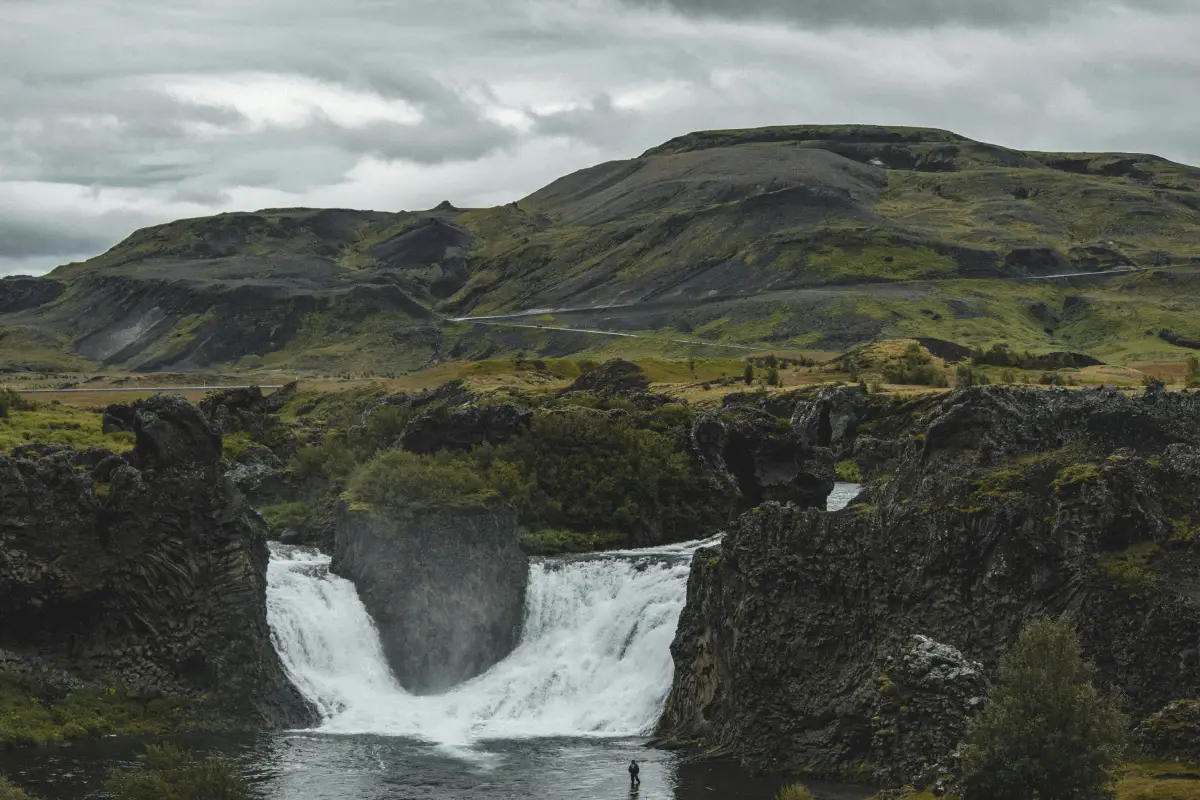
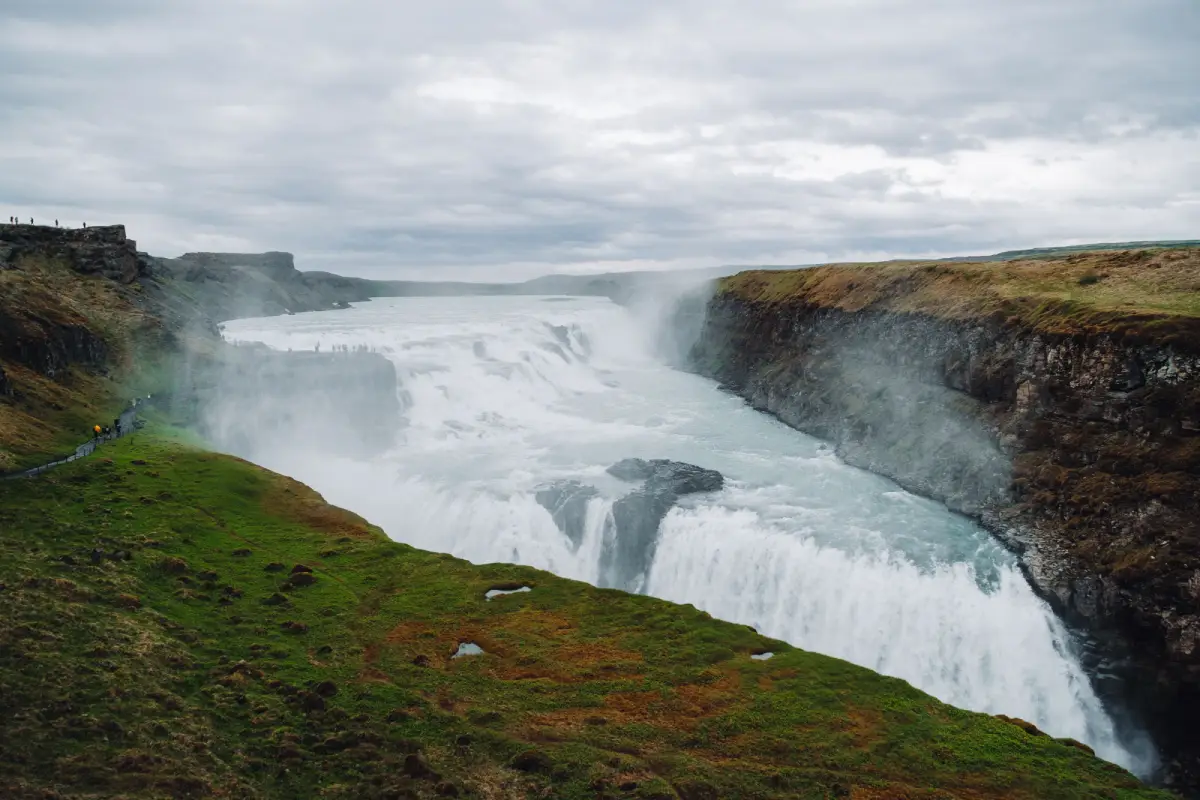
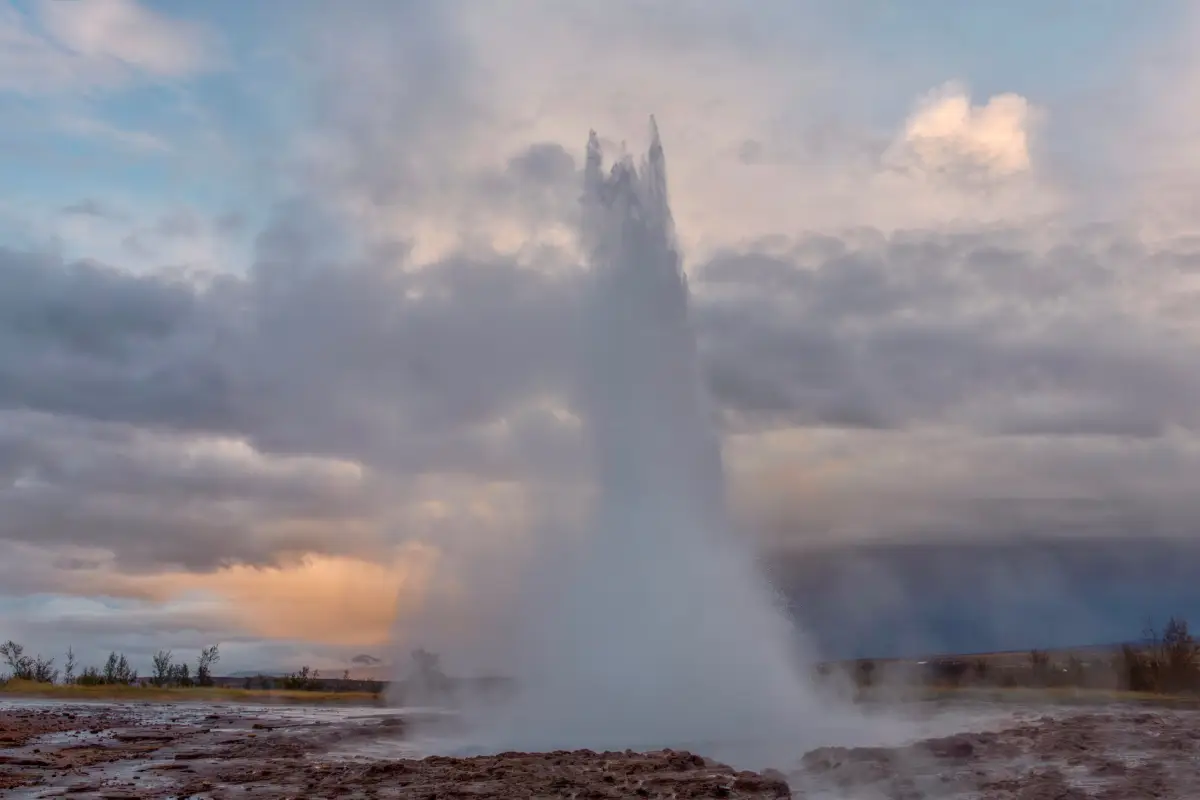
The proposed nature and infrastructure fee would apply to international visitors aged 18 and over who do not have tax residency in Iceland. A single digital pass would cover three of the country's most visited natural attractions: Þingvellir National Park, the Geysir geothermal area and Gullfoss waterfall.
The proposed charge is ISK 4,500 during the summer season and ISK 3,000 during the winter season. The pass would remain valid for one year.
The government argues that the new fee is necessary to finance tourism infrastructure, protect natural environments and manage growing visitor numbers. However, tourism organisations and municipalities in South Iceland have criticised the proposal, warning that it could increase travel costs, affect local businesses and create legal complications.
As of 10 November 2026, the fee has not been introduced or confirmed as law. The original proposal remains under consideration, and changes to the scheme are possible before its planned implementation.
How would the Golden Circle visitor fee work?
The proposal was announced by Iceland's Minister of Industries, Hanna Katrín Friðriksson, on 22 September 2026 and subsequently published for public consultation.
According to the Ministry of Industries, the proposed system would introduce the following charges:
| Period | Proposed fee |
|---|---|
| June–October | ISK 4,500 per adult |
| November–May | ISK 3,000 per adult |
The lower seasonal price would also apply during May 2027 if the scheme begins on the proposed date of 1 May.
Under the proposal, a single pass would provide access to all three attractions: Þingvellir National Park, the Geysir geothermal area and Gullfoss waterfall. The pass would be valid for 12 months, allowing visitors to return to these locations without paying again during that period.
Currently, all three attractions are free to enter, although parking fees apply at certain locations. The proposed visitor fee would therefore introduce a new cost for international visitors.
The original proposal establishes several additional rules:
- Visitors under 18: No fee would apply.
- Icelandic tax residents: Exempt from payment, regardless of nationality.
- International visitors: Adults without Icelandic tax residency would be required to pay.
- Digital access: All visitors aged 18 and over would need an electronic access pass with a QR code, including those eligible for a free pass.
- Organised tours: Tour operators would be able to purchase passes in advance for their customers.
Iceland's Tourism Agency, Ferðamálastofa, would oversee administration and enforcement. The proposed legislation would allow inspectors to request access passes and identification documents.
The draft also includes financial penalties for failing to hold a valid pass, although these provisions remain subject to the legislative process.
Would visitors still have to pay for parking?
One of the most significant practical questions concerns the parking charges already collected at Golden Circle attractions.
Under the proposal, parking fees at Þingvellir National Park would be abolished when the new visitor fee takes effect.
However, the situation would be different at Geysir and Gullfoss.
Because parking facilities at those locations are privately operated, their existing parking charges would remain in place under the original proposal. Visitors arriving by rental car could therefore have to pay both the new visitor fee and separate parking fees.
According to an October report by mbl.is, a Deloitte analysis prepared for the Icelandic Travel Industry Association estimated that the direct costs for two international visitors travelling by car to the three attractions could increase from ISK 3,249 to ISK 11,249 during the summer.
That would represent an increase of approximately 246% in the combined entrance and parking costs included in the analysis.
For visitors travelling on organised excursions, the impact would depend on how individual tour operators incorporate the new charge into their prices.
These calculations illustrate the potential consequences of the proposal rather than confirmed prices for 2027.
Why does Iceland want to introduce the fee?
The Icelandic government says the proposed fee is intended to address the growing pressure tourism places on natural attractions and public infrastructure.
Þingvellir, Geysir and Gullfoss attract large numbers of visitors throughout the year. Maintaining safe walking paths, viewing areas, roads, sanitation facilities and other infrastructure requires continuing investment.
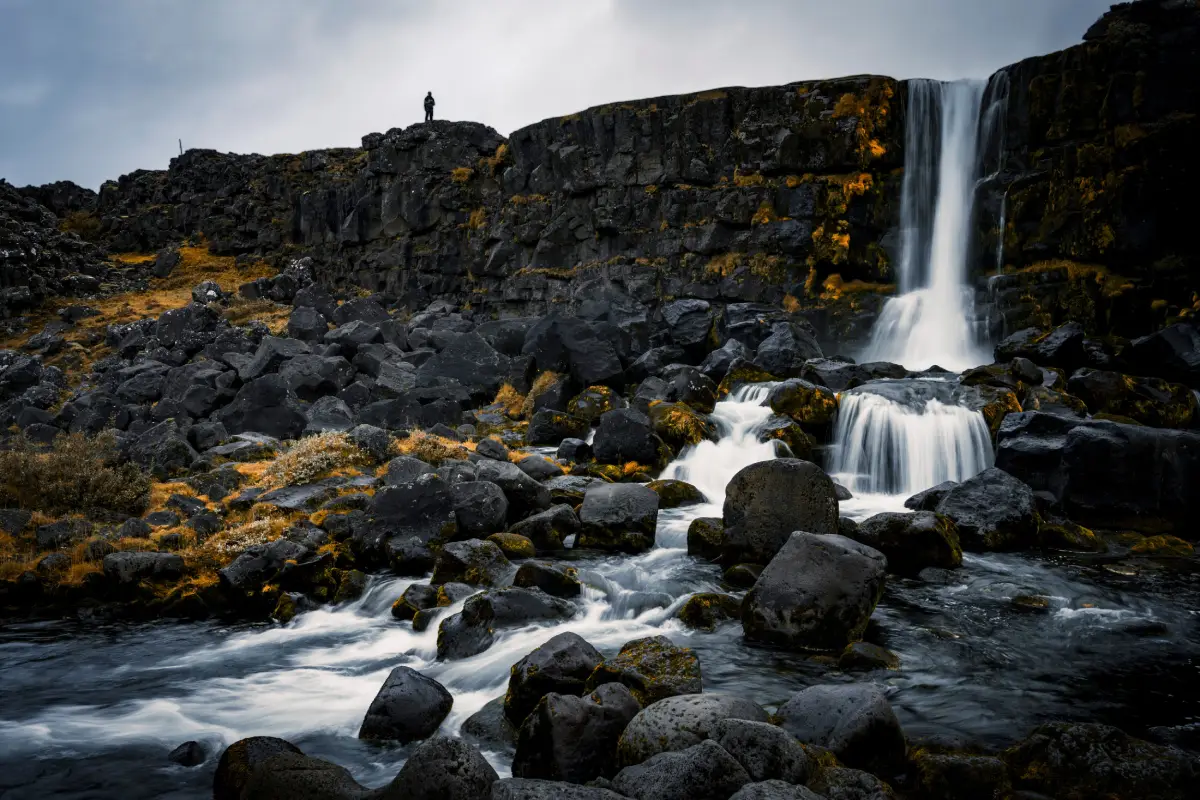
Government officials argue that international visitors should contribute more directly to these costs rather than leaving Icelandic taxpayers to finance them.
The proposed scheme would also support broader objectives, including nature conservation, visitor management, tourism research and international destination marketing.
According to the government's initial estimates, the fee could generate ISK 6–7 billion annually once fully implemented. Approximately ISK 5 billion in revenue was projected for 2027, assuming the scheme begins on 1st of May.
However, the money would not necessarily be spent exclusively on the three attractions where it is collected.
In September, the minister explained to RÚV that revenue could support tourism infrastructure across Iceland, alongside research, marketing and wider improvements to facilities used by visitors.
At that stage, the government had not determined what proportion of the revenue would be allocated directly to infrastructure at the affected attractions.
Strong opposition from tourism businesses and local communities
The proposal has faced substantial criticism from tourism organisations, municipalities and business representatives, particularly in South Iceland.
One of the main objections is that the government has selected three attractions within the same geographical area rather than introducing a broader national system.
The Golden Circle is one of Iceland's most established sightseeing routes. It supports numerous businesses, including accommodation providers, restaurants, tour operators and activity companies.
Local representatives are concerned that increasing the cost of visiting its main attractions could discourage some travellers or reduce the amount they spend elsewhere in the region.
In October, representatives of municipalities and tourism businesses called for a more comprehensive assessment of the proposal's economic impact.
According to sunnlenska.is, participants in a regional meeting expressed concern that the charges could affect businesses beyond the three attractions themselves, including accommodation, restaurants and other visitor services.
The Association of South Iceland Municipalities has also questioned why the proposal targets these specific locations.
In an interview with RÚV, its managing director, Ingunn Jónsdóttir, argued that a more general approach covering state-owned attractions throughout Iceland should be considered.
The Icelandic Travel Industry Association has raised concerns about higher operating costs and reduced competitiveness for tourism companies selling trips to Iceland.
Meanwhile, the Iceland Chamber of Commerce has argued that the proposed system could be unnecessarily complicated and costly to administer.
The organisation has also questioned whether the new charge is justified alongside existing taxes and fees already paid by visitors, including accommodation taxes and parking charges.
A further concern is timing. Tourism companies frequently sell packages many months in advance, and introducing a new charge in May 2027 could affect trips that have already been priced or sold.
Legal concerns over exemptions for Icelandic residents
The debate has also raised questions about whether the proposed exemptions comply with the European Economic Area (EEA) Agreement.
Under the proposal, visitors with tax residency in Iceland would receive free passes, while those without Icelandic tax residency would have to pay.
Critics argue that this distinction could amount to indirect discrimination against people from other EEA countries.
On 5 November, Morgunblaðið reported on a legal opinion commissioned by four South Iceland municipalities and prepared by the law firm Forum.
The opinion identified a significant risk that the proposed charging arrangement would be incompatible with provisions of the EEA Agreement. It also questioned whether the distinction between residents and non-residents could be justified under the principle of proportionality.
However, the government has defended its position.
During an Alþingi parliamentary debate on 8 October, Minister Hanna Katrín Friðriksson said the government had obtained legal advice and considered Icelandic tax residency an objective basis for distinguishing between visitors who contribute to infrastructure through taxation and those who do not.
The minister also pointed to charging arrangements elsewhere in Europe.
The legal question therefore remains disputed. The reported opinion does not constitute a court ruling, and no final determination establishing the proposed scheme's legality or illegality has been identified.
Could the proposal change before May 2027?
The government opened its draft legislation for public consultation on 23 September 2026, with the consultation period closing on 7 October.
The consultation attracted objections from tourism organisations, local authorities and other interested parties.
Since then, the government has been considering possible changes.
In an October report by RÚV, Minister Hanna Katrín Friðriksson acknowledged the criticism and said it was too early to determine whether changes would be made.
One possibility under consideration was expanding the pass to cover additional attractions rather than limiting it to the three Golden Circle sites.
A subsequent RÚV report on 3 November indicated that the bill was expected to be submitted to Alþingi, Iceland's parliament, in the near future, with possible revisions still under consideration.
These developments suggest that the final scope of the scheme may differ from the government's original September proposal.
The planned implementation date remains 1 May 2027, but that date is contingent on the legislation being approved.
As of 10 November, no final version of the scheme has been confirmed.
What does this mean for visitors planning a Golden Circle trip in 2027?
For travellers planning to visit Iceland in 2027, the most important point is that the proposed fee is not currently in effect.
Visitors can continue to visit Þingvellir, Geysir and Gullfoss under the existing arrangements, including any applicable parking charges.
Those planning a trip after May 2027 should be aware of the possibility of additional costs, particularly if visiting all three attractions by rental car or joining a guided excursion.
For example, if the original summer proposal becomes law without changes, two paying adults would need passes costing ISK 9,000 in total, excluding any additional parking fees.
A family travelling with children under 18 would not have to purchase passes for the children under the proposed rules.
Travellers booking organised Golden Circle tours should check whether any eventual visitor fee is included in the advertised price or charged separately.
There is currently no need to purchase the proposed pass, and the final payment arrangements have not been confirmed.
What happens next?
The proposal must complete the legislative process before any new charges can take effect.
The principal questions still awaiting resolution include whether the original fees will remain unchanged, whether the pass will cover additional attractions, how revenue will be allocated and how the concerns about EEA law will be addressed.
The government continues to argue that the fee would provide a sustainable source of funding for tourism infrastructure and nature conservation. Its opponents maintain that the current approach could place an excessive burden on visitors and businesses concentrated in South Iceland.
For now, the future of the Golden Circle visitor fee remains uncertain.
This article reflects information available as of 10 November 2026.