Skálholt
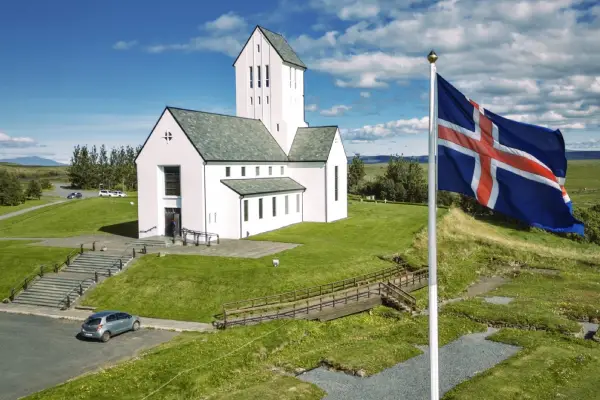

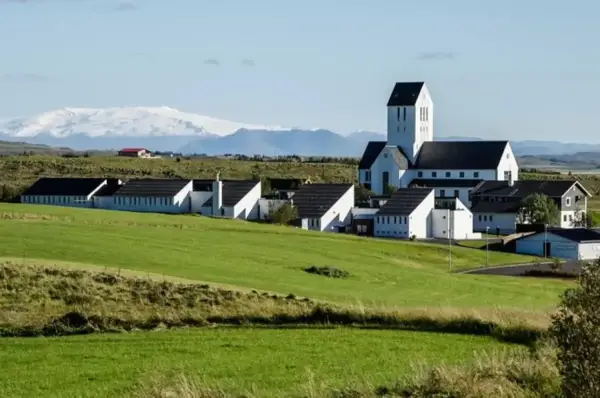
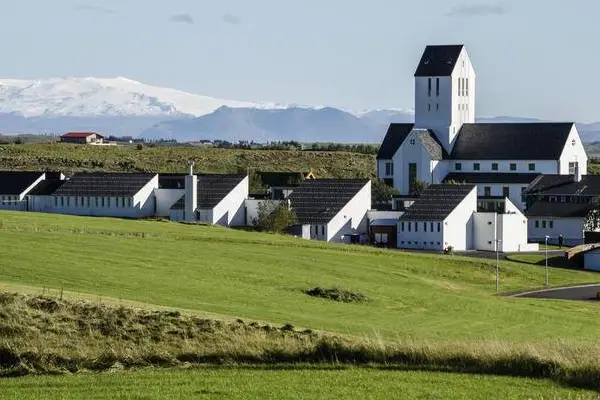
Skálholt is one of Iceland’s most important historic and cultural sites. For centuries, it was one of the country’s two episcopal sees and a major center of religion, education, and learning. The modern cathedral stands on a site shaped by nearly a thousand years of Icelandic history, with archaeological remains, historic buildings, and exhibitions revealing the story of the bishops, scholars, and communities who lived here.
Why visit?
- Explore one of the most important historic sites in Iceland
- Visit the cathedral and archaeological remains
- Discover the story of medieval Iceland, its bishops, and the Reformation
What to See at Skálholt
Facilities
Tips & insights
- Allow time to explore beyond the cathedral itself – much of Skálholt’s significance lies in the wider historic site
- Visit the archaeological remains and underground passage for a better understanding of the site’s long history
- Check current opening hours for exhibitions and visitor facilities before arriving
- Look for concerts and cultural events held in the cathedral, particularly during summer
The History of Skálholt
Skálholt became an episcopal see in 1056, shortly after Iceland’s conversion to Christianity, and remained one of the country’s most important religious and educational centers for more than seven centuries. Generations of bishops lived here, and the school at Skálholt educated many of Iceland’s leading clergy and scholars.
The site also played a central role in the Icelandic Reformation. In 1550, Jón Arason, Iceland’s last Catholic bishop, was executed at Skálholt together with his sons Ari and Björn, marking a decisive moment in the transition from Catholicism to Lutheranism.
Numerous churches have stood at Skálholt over the centuries, while fires, earthquakes, and changing political circumstances repeatedly altered the settlement. The present cathedral was consecrated in 1963, but archaeological remains beneath and around it reveal traces of the much older buildings that once made Skálholt one of the most influential places in Iceland.