
Golden Circle: Self-Drive by Seasons

By Attila Balatoni
Local Travel Expert
Last updated: March 24, 2026
Intro
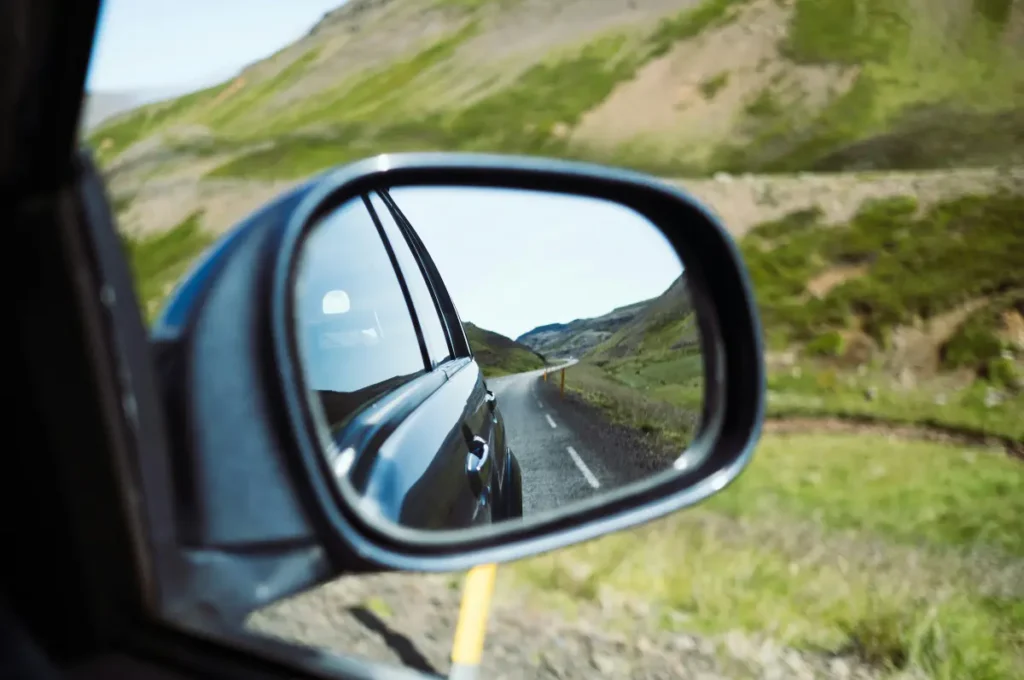
Driving the Golden Circle yourself is one of the easiest ways to explore Iceland. Driving the Golden Circle yourself is one of the easiest ways to explore Iceland. A self-drive itinerary allows more freedom when deciding how long to spend at each stop and which additional attractions to include along the way.
The route connects three of the country’s most famous attractions: Þingvellir National Park, the Geysir geothermal area, and Gullfoss waterfall. Popular additions include Kerið crater, Friðheimar, Brúarfoss, Skálholt, and several geothermal bathing locations.
This guide covers everything you need to know about planning a Golden Circle self-drive trip, including route information, driving conditions, seasonal considerations, and practical travel tips.
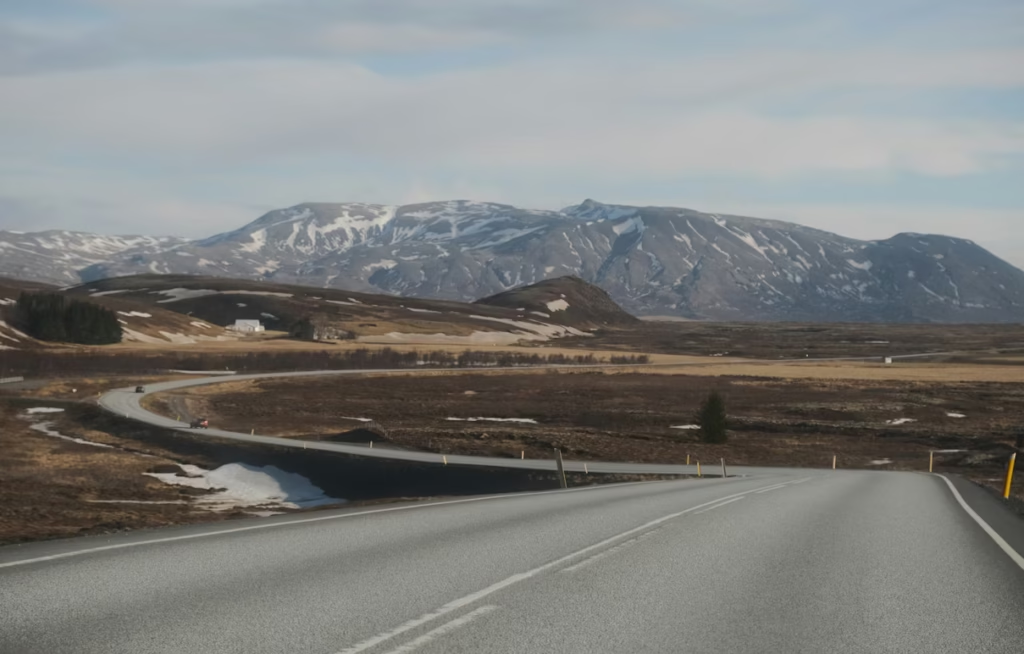
Overview: Self-Driving the Golden Circle
| Time & Distance | Details |
|---|---|
| Distance | 230–300 km depending on stops |
| Driving time | About 3.5–4 hours |
| Typical day trip | 6–8 hours including sightseeing |
| Main roads | Routes |
|---|---|
| Route 36 | Reykjavík → Þingvellir |
| Route 365 / 37 / 35 | Þingvellir → Geysir → Gullfoss |
| Route 35 → Route 1 | Return to Reykjavík |
These roads are paved and maintained year-round, making the Golden Circle one of the easiest self-drive routes in Iceland.
Seasonal conditions still play an important role when planning a trip, particularly during the winter months when daylight is limited and weather can change quickly.

Golden Circle & South Coast
Golden Circle South Coast Tour is a 4-day self-drive adventure that combines Iceland’s famous Golden Circle with the dramatic waterfalls, glaciers and black sand beaches of the South Coast.
Golden Circle & South Coast
Golden Circle Driving by Seasons
Summer: Easiest Driving Conditions (June–August)
Summer is the most popular season to drive the Golden Circle. Road conditions are reliable, and long daylight hours provide ample time to explore the route.
Temperatures usually range between 10°C and 15°C (50–59°F), although warmer days occasionally occur.
Extended daylight is one of the defining features of summer travel in Iceland. Around the summer solstice in June, daylight can last almost 24 hours, making both early-morning departures and late-evening sightseeing practical options.
The Golden Circle is Iceland's most visited sightseeing route, and summer brings the highest visitor numbers. Tour buses usually arrive at the main attractions between 10:00 and 15:00, making early mornings and evenings noticeably quieter.
The long daylight hours also make it easier to include additional stops such as Faxi waterfall, Kerið crater, Laugarvatn Fontana, or one of the area's hiking trails without feeling rushed.
Winter: Beautiful but More Challenging (November–March)
Winter transforms the Golden Circle into a dramatic landscape of snow-covered lava fields, frozen waterfalls, and steaming geothermal vents.
Temperatures range between –1°C and 4°C (30–39°F), though strong winds can make it feel considerably colder.
Limited daylight is one of the defining features of winter travel in Iceland. Depending on the month, daylight hours can be very short:
| Month | Daylight | Roads |
|---|---|---|
| December | about 4–5 hours | Challenging (snow & ice likely) |
| January | about 5–6 hours | Challenging (winter conditions) |
| February | about 7–9 hours | Variable (improving conditions) |
An early start is advisable during winter, particularly if you plan to complete the full route and include additional stops along the way.
Roads on the Golden Circle are maintained year-round, but winter conditions may include:
| snow and ice |
| strong winds |
| reduced visibility |
| occasional road closures |
While a regular car is sufficient on many winter days, a 4×4 vehicle provides additional traction and stability when conditions become more challenging.
Winter also brings fewer visitors and the possibility of seeing the Northern Lights later in the evening.
Spring: Changing Conditions (April–May)
Spring is a season of changing conditions on the Golden Circle. Weather, road conditions, and landscapes can vary noticeably between April and May.
Temperatures range from 3°C to 10°C (37–50°F). Snow is still possible in early April, while May brings greener landscapes and more signs of the approaching summer.
| Early April: about 13 hours |
| Late May: nearly 20 hours |
Melting snow makes waterfalls especially powerful during this period, particularly at Gullfoss.
Road conditions on the main Golden Circle route are good, though occasional snow, rain, or icy patches can still occur. Checking weather and road conditions before departure remains advisable during spring.
Spring is also noticeably quieter than summer, offering a good balance between improving conditions and lower visitor numbers.
Autumn: Colorful Landscapes and Fewer Visitors (September–October)
Autumn brings some of the year's most colorful landscapes to the Golden Circle. Moss fields, grasses, and low vegetation take on shades of gold, orange, and deep red.
Temperatures range from 5°C to 12°C (41–54°F), though wind and rain become more common as the season progresses.
| Early September: about 13 hours |
| Late October: about 8 hours |
Road conditions remain good during early autumn, although the first snowfalls may occur by late October.
Autumn is one of the strongest seasons for photography on the Golden Circle. The lower sun angle creates softer light and longer shadows across Þingvellir's rift valley and the canyon at Gullfoss.
Visitor numbers are noticeably lower than in summer, contributing to a quieter driving experience across the route.
Road Conditions and Safety
Current weather and road conditions should always be checked before setting out.
| vedur.is – weather forecast and aurora forecast |
| road.is – road conditions and closures |
| safetravel.is – safety alerts and travel advice |
Conditions on the route may differ from those in Reykjavík, particularly during winter and the shoulder seasons. Checking forecasts before departure helps avoid unnecessary delays and allows for better planning throughout the day.
Common Mistakes When Driving the Golden Circle
The Golden Circle is one of Iceland's easiest self-drive routes, but a few common mistakes still catch people out each year.
| Starting too late in winter Short daylight hours make early starts essential. |
| Not checking road conditions Weather and wind can change quickly, especially in winter. |
| Rushing between stops The Golden Circle is relatively short, so it is better to allow time for breaks and viewpoints. |
| Underestimating the wind Strong winds can affect driving and make walking near waterfalls colder than expected. |
Golden Circle Self-Drive FAQ
Can you drive the Golden Circle yourself?
Yes. The Golden Circle is one of the easiest self-drive routes in Iceland, with paved roads connecting the main attractions.
Do you need a 4×4 to drive the Golden Circle?
No. In the summer and most of the fall, a regular car is sufficient. In winter, some travelers prefer a 4×4 for additional traction on snowy or icy roads.
How long does it take to drive the Golden Circle?
Driving the full route takes about 3.5–4 hours, but most travelers spend 6–8 hours, including sightseeing stops.
Is the Golden Circle safe to drive in winter?
Yes, but winter conditions can include snow, ice, and strong winds. Checking weather and road conditions before departure is advisable.
What is the best season to self-drive the Golden Circle?
The best season depends on what you are looking for. Summer offers the easiest driving conditions, while winter brings snow-covered landscapes and opportunities to see the Northern Lights.