
Best Time of Day to Visit the Golden Circle: Morning, Midday, or Evening?

By Attila Balatoni
Local Travel Expert
Last updated: May 13, 2026
Intro
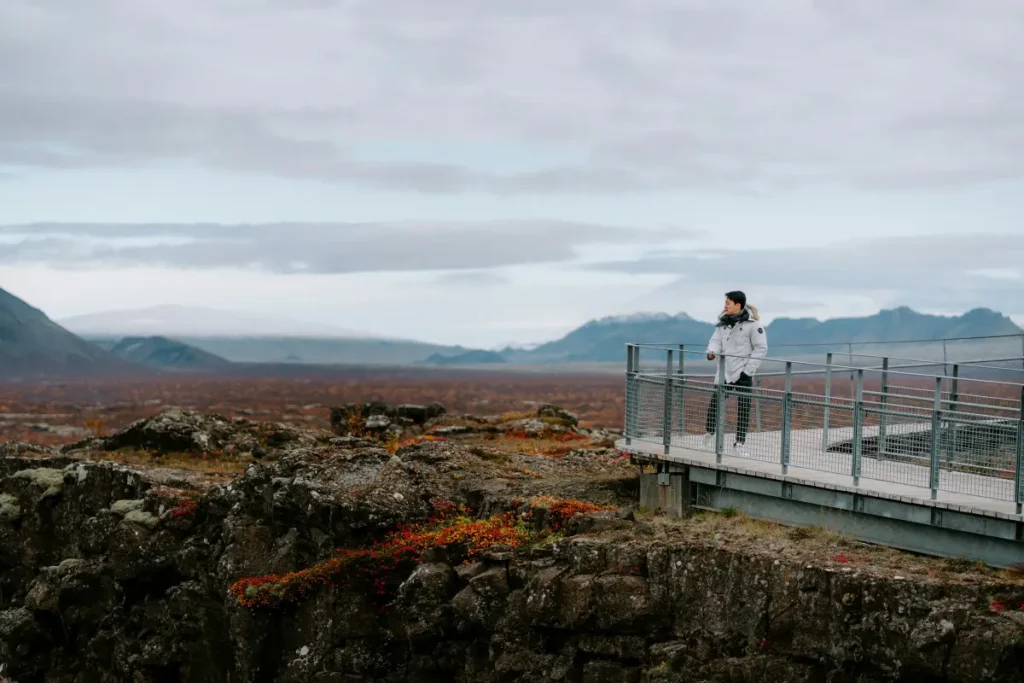
Timing plays a bigger role on the Golden Circle than many people expect. Arriving at Gullfoss early in the day can be a very different experience from arriving during the afternoon peak.
In our view, timing matters more than the number of stops on the itinerary. A well-planned day leaves room for optional stops, longer lunches, and small detours without feeling rushed.
This guide explains the best time of day to visit the Golden Circle based on crowd levels, daylight hours, and seasonal conditions.
Overview: Best Time of Day to Visit
| Best overall experience: Early morning |
| Quietest time: Before 10:00 |
| Busiest time: 11:00–15:00 |
| Best summer option: Evening |
| Best winter timing: Morning to early afternoon |
Early Morning: The Best Overall Experience
Early morning is the quietest time to explore the Golden Circle.
Leaving Reykjavík between 07:00 and 08:00 allows you to reach Þingvellir before most tour buses arrive. Roads are quieter, parking is easier, and the main attractions are noticeably less crowded.
Crowd levels can change significantly between early morning and late morning during summer. A viewpoint that is quiet at 08:30 may be noticeably busier by midday once tour buses begin arriving.
An earlier start leaves more flexibility throughout the day. Optional stops, longer breaks, and small detours are easier to fit into the itinerary without compressing the return drive to Reykjavík.
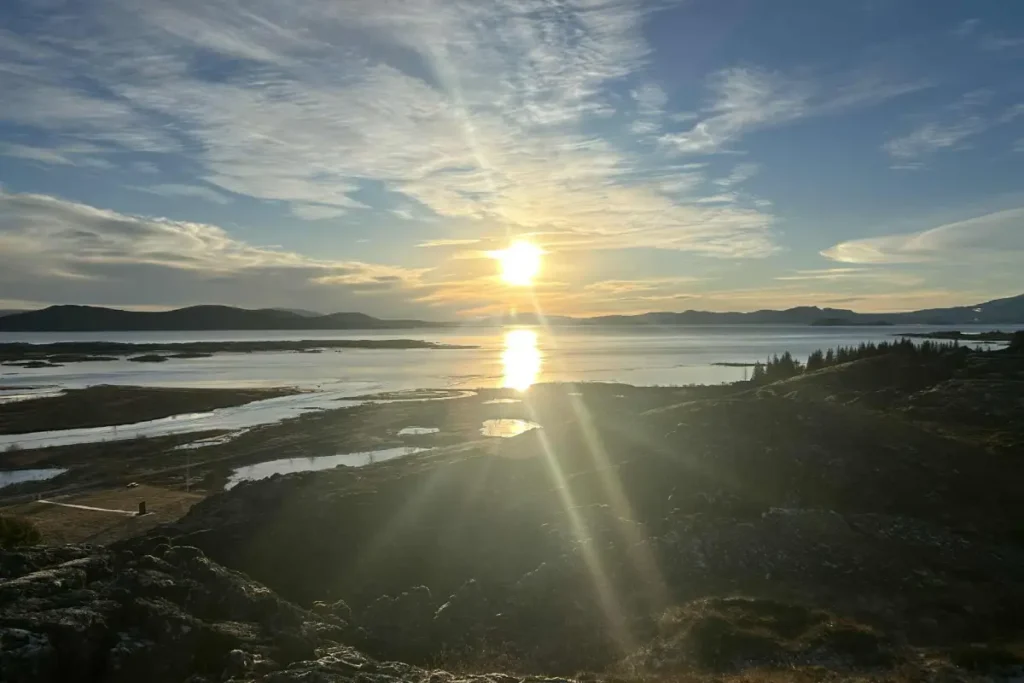
Advantages of starting early:
| • fewer crowds |
| • quieter viewpoints |
| • easier parking |
| • calmer roads |
| • more flexibility throughout the day |
This is particularly noticeable at Þingvellir and Gullfoss, where visitor numbers increase significantly later in the morning.
Tip: During peak summer season, leaving Reykjavík around 08:00 often provides enough of a head start to reach Þingvellir before most guided tours.
Midday: The Busiest Time
The Golden Circle is busiest between approximately 11:00 and 15:00.
This is when most guided tours from Reykjavík begin reaching the main attractions. During summer, parking areas at Geysir and Gullfoss fill quickly, while restaurants along the route often experience peak demand around lunchtime.
Midday travel is still completely manageable, but you should generally expect:
| • busier parking areas |
| • more guided groups at major viewpoints |
| • heavier traffic between the main attractions |
Crowds are most noticeable around Geysir, Gullfoss, and some of the more popular lunch stops along the route.
Golden Circle Afternoon Tour
Experience Þingvellir, Geysir and Gullfoss in the afternoon on an easy small group tour from Reykjavík.
Golden Circle Afternoon Tour
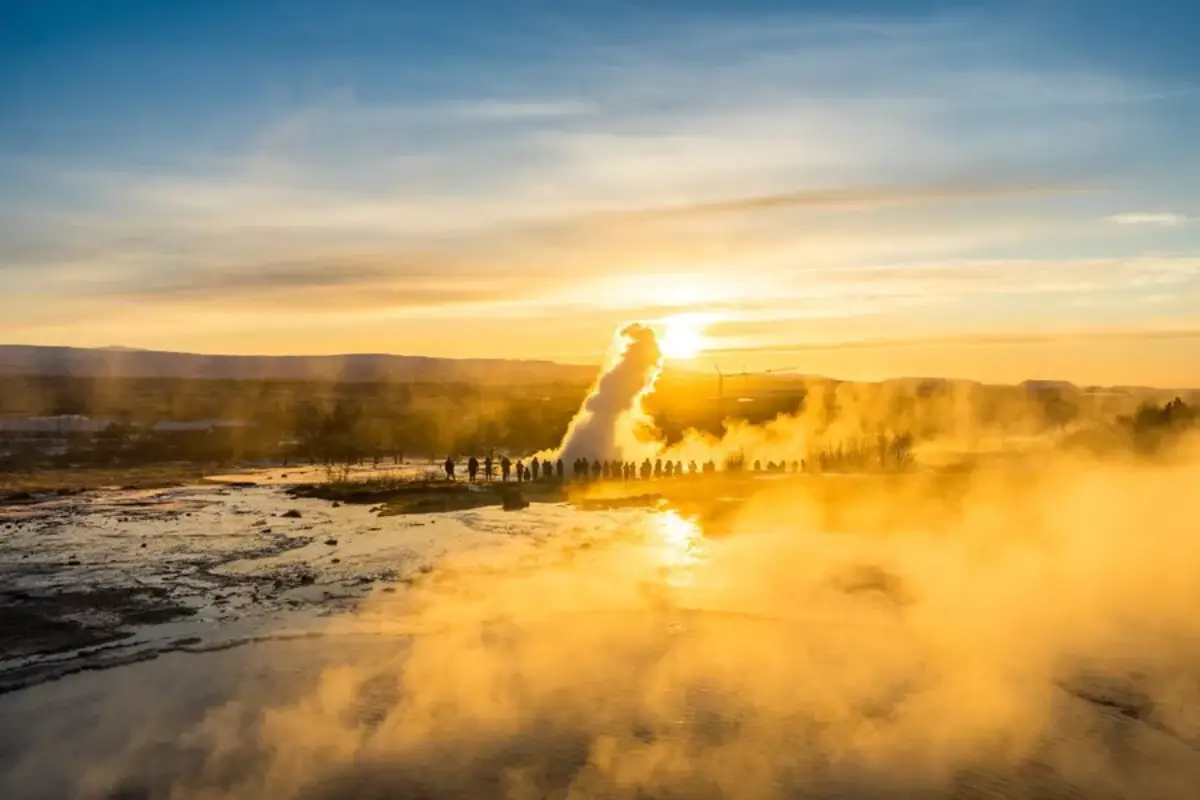
Geysir is one of the busiest stops during peak hours because visitors naturally gather around Strokkur while waiting for eruptions.
Þingvellir rarely feels as crowded as Geysir or Gullfoss because visitors are spread across a much larger area.
Evening Travel During Summer
During June and July, evening can actually become one of the best times to explore the Golden Circle.
Because of Iceland’s long daylight hours and midnight sun, the main attractions remain accessible well into the evening. After roughly 17:00–18:00, crowds begin thinning out, leaving more space at viewpoints, walking paths, and parking areas.
Summer evenings can be one of the most enjoyable times to visit the Golden Circle. As guided tours begin returning to Reykjavík, crowd levels fall and the main attractions become quieter.
Evening conditions often feel especially pleasant at:
| • Þingvellir |
| • Gullfoss |
| • Brúarfoss |
| • Route 36 viewpoints |
Tip: For travelers visiting Iceland during peak summer season, a later departure might deliver a more relaxed and enjoyable experience than leaving early in the morning.
Winter Timing Matters More
Between November and March, the Golden Circle is quieter, but shorter daylight hours make timing more important. Starting late can leave less time at each attraction, especially if weather or road conditions cause delays.
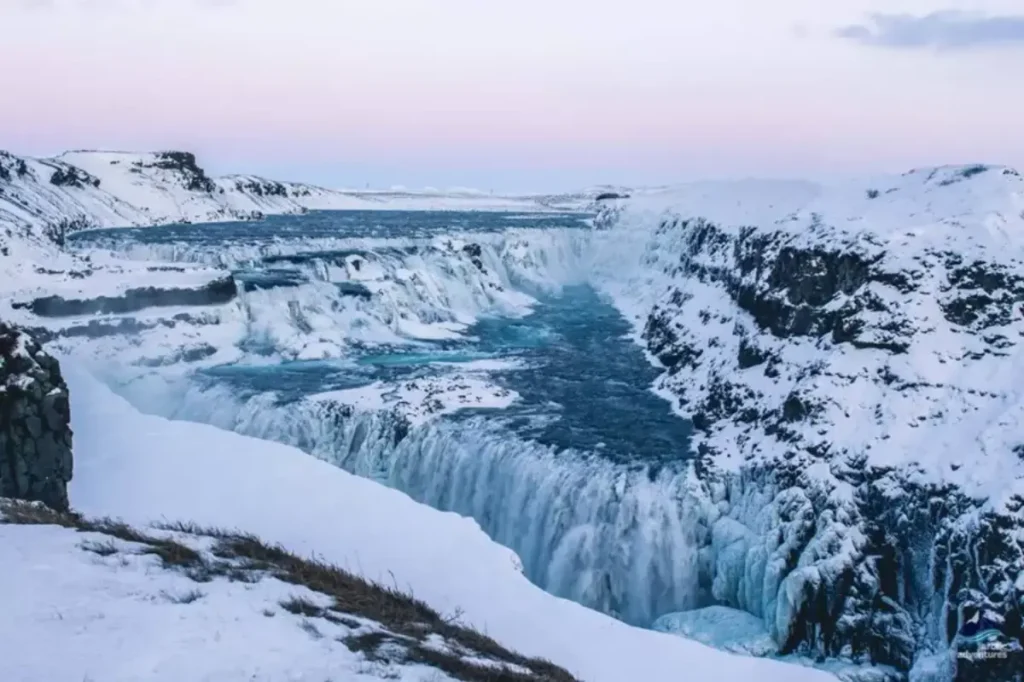
For winter sightseeing, morning to early afternoon provides the most daylight for exploring the route
Winter also changes the pace of the route. Snow, ice, wind, and shorter daylight hours make planning and weather conditions more important than they are during summer.
Best Timing by Attraction
Þingvellir National Park
Before 09:00 is typically the quietest time of day. Early arrivals also benefit from softer light and less competition for parking at the main attractions.
Geysir Geothermal Area
The busiest period is between 11:00 and 14:00. Visiting earlier or later means fewer people around Strokkur and the main viewing areas.
Gullfoss Waterfall
Crowds peak from late morning into the afternoon. Early mornings and later summer evenings provide a quieter setting and fewer people around the main viewpoints.
Friðheimar
Reservations can fill up quickly during summer. If possible, plan lunch outside peak midday hours.
Reservations can fill up quickly during summer. If possible, plan lunch outside peak midday hours.
During winter, daylight becomes far more important than crowd levels.
Common Timing Mistakes
| • starting too late |
| • trying to visit too many stops |
| • underestimating time spent at attractions |
| • arriving at restaurants during peak lunch hours |
| • rushing between locations instead of spacing out stops |
One of the easiest ways to improve the experience is to leave room for unexpected stops rather than trying to follow a rigid schedule.
Best Time to Visit the Golden Circle: What Each Season Looks Like
Read More →Best Time of Day to Visit the Golden Circle FAQ
What time should you start the Golden Circle?
Most travelers benefit from leaving Reykjavík before 09:00.
What is the busiest time on the Golden Circle?
The route is typically busiest between 11:00 and 15:00.
Is morning or evening better?
Mornings are best overall, while evenings work particularly well during summer.
Is the Golden Circle quieter in winter?
Yes. Winter generally brings fewer visitors, although daylight hours are shorter.
When are the attractions least crowded?
Early morning is considered the quietest time at the main attractions.