
Golden Circle Travel Conditions by Month

By Stefan Bessi
Local Travel Expert
Last updated: April 15, 2026
Intro
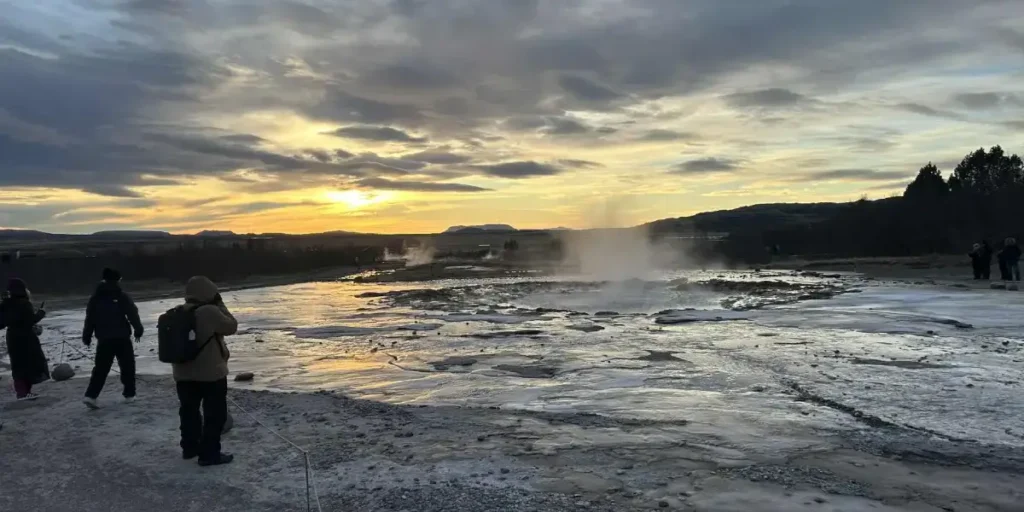
There is no single best month to visit the Golden Circle. The route remains accessible throughout the year, but travel conditions, daylight hours, visitor numbers, and the overall atmosphere change considerably from season to season.
Summer offers the easiest travel conditions, winter brings snow-covered landscapes and Northern Lights opportunities, while May and September often provide a balance between the two.
This guide breaks down Golden Circle travel conditions month by month to help you decide which period best matches the experience you are looking for.
Overview: Golden Circle Travel Conditions
| Best for easy travel: June – August |
| Best for fewer crowds: January – April, November |
| Best for Northern Lights: September – March |
| Best for photography: September – March |
| Most stable roads: Summer |
| Most unpredictable conditions: Winter |
Golden Circle Conditions by Month

Golden Circle Travel Conditions
Seasonal overview for weather, access, visitors, and trip planning
| Month | Temp (°C / °F) | Daylight | Snow | Aurora | Roads | Highlands | Hiking | Visitors | Costs |
|---|---|---|---|---|---|---|---|---|---|
| Jan | -1 / 30 | 5h | Frequent | Very Likely | Challenging | Closed | Limited | Quiet | Low |
| Feb | 0 / 32 | 7h | Frequent | Very Likely | Challenging | Closed | Limited | Quiet | Low |
| Mar | 1 / 34 | 10h | Possible | Likely | Challenging | Closed | Limited | Quiet | Low |
| Apr | 4 / 39 | 13h | Possible | Possible | Variable | Closed | Partial | Quiet | Low |
| May | 7 / 45 | 18h | None | Unlikely | Good | Closed | Partial | Busy | Moderate |
| Jun | 10 / 50 | 21h | None | None | Good | Opening | Full | Very Busy | High |
| Jul | 12 / 54 | 20h | None | None | Excellent | Open | Full | Very Busy | High |
| Aug | 11 / 52 | 18h | None | Possible | Excellent | Open | Full | Very Busy | High |
| Sep | 8 / 46 | 13h | None | Likely | Good | Closing | Full | Moderate | Moderate |
| Oct | 5 / 41 | 9h | Possible | Likely | Variable | Closed | Partial | Moderate | Low |
| Nov | 2 / 36 | 6h | Possible | Likely | Challenging | Closed | Partial | Quiet | Low |
| Dec | 0 / 32 | 5h | Frequent | Likely | Challenging | Closed | Limited | Busy | High |
| Season | Months | Temp (°C / °F) | Daylight | Roads | Crowds |
|---|---|---|---|---|---|
| Winter | Nov–Feb | -1 to 2°C | 5–7h | Challenging | Quiet |
| Spring | Mar–May | 1 to 7°C | 10–18h | Variable | Moderate |
| Summer | Jun–Aug | 10–12°C | 18–24h | Excellent | Very Busy |
| Autumn | Sep–Oct | 5–8°C | 9–13h | Good → Variable | Moderate |
Golden Circle Travel Guide
Find out more →January – February: Northern Lights
| Average temperature: -1°C to 0°C (30–32°F) |
| Daylight: 6–7 hours |
| Road conditions: Challenging |
| Visitors: Quiet |
If you are comfortable driving in winter conditions, January and February can be surprisingly rewarding months to visit.
The Golden Circle often feels at its most dramatic during midwinter. Waterfalls are surrounded by snow and ice, visitor numbers are low, and there is a genuine chance of seeing the Northern Lights later in the evening.
The tradeoff is that weather becomes part of the itinerary.
Snow, wind, and ice can affect road conditions quickly, and short daylight hours leave less room for delays.
Tip: Daylight often becomes a bigger limitation than driving distance. Starting early usually makes a much bigger difference than trying to move faster between stops.
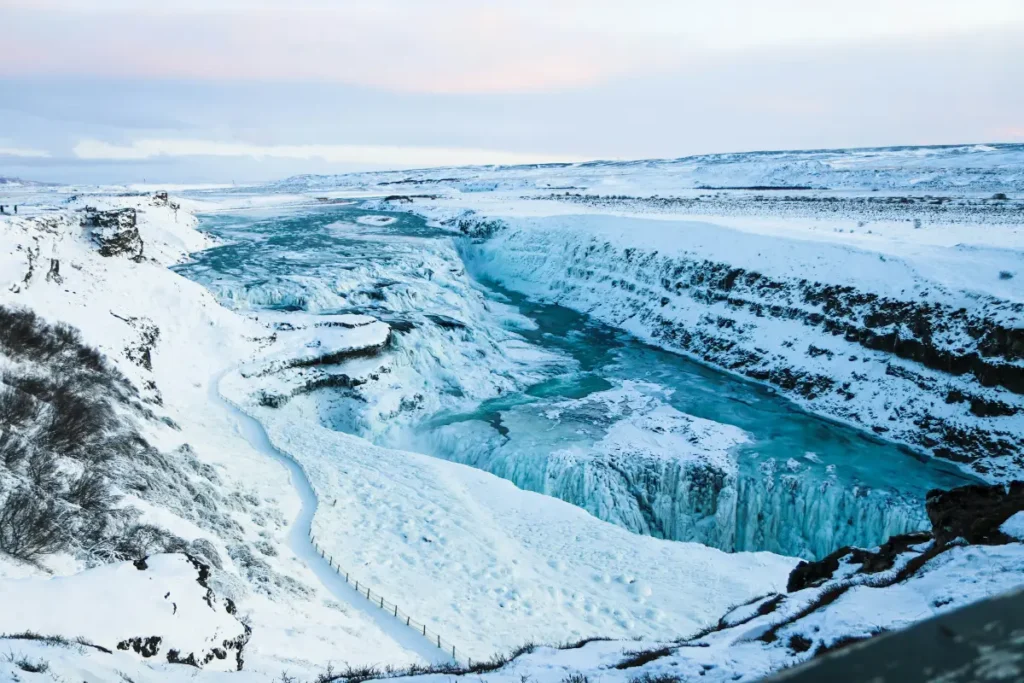
Winter season is best for:
| • snow-covered landscapes |
| • fewer crowds |
| • Northern Lights |
| • winter photography |
Our take
We generally recommend winter only if you are comfortable adapting plans to changing weather conditions. The scenery can be spectacular, but flexibility becomes essential.
Travelers should plan carefully, start early, and always check road and weather conditions before departure.
March – April: Winter Meets Spring
| Average temperature: 1°C to 4°C (34–39°F) |
| Daylight: 10–13 hours |
| Road conditions: Challenging to variable |
| Visitors: Quiet |
March and April often feel like two different seasons sharing the same calendar.
March can still bring winter-like conditions, while April begins introducing longer days, melting snow, and more stable travel conditions. It is one of the few periods where you can experience winter scenery in the morning and spring conditions later the same day.
One of the biggest advantages of this period is the balance between quieter attractions and rapidly increasing daylight.
| • fewer crowds |
| • longer sightseeing days |
| • shoulder season travel |
| • lower accommodation prices |
Our take
If you want a quieter experience without the extremely short days of winter, April is often one of the most overlooked months on the Golden Circle.
Roads can still be unpredictable, so flexibility is important.
May: One of the Most Underrated Months
| Average temperature: 7°C (45°F) |
| Daylight: ~18 hours |
| Road conditions: Good |
| Visitors: Busy |
May rarely gets the attention it deserves.
Roads are generally clear, daylight is already very long, and visitor numbers remain noticeably lower than peak summer.
Many travelers focus on June, July, and August, but May often delivers many of the same benefits without the busiest crowds:
Tip: May is often one of the easiest months to add stops such as Friðheimar, Secret Lagoon, or Kerið without the day starting to feel rushed.
| • easier driving |
| • long days |
| • lower crowd levels than summer |
| • self-drive itineraries |
Our take
For many travelers, May offers an appealing combination of long daylight hours, good road conditions, and lower crowd levels than peak summer.
June – July: Peak Season & Easiest Travel
| Average temperature: 10–12°C (50–54°F) |
| Daylight: 21–24 hours |
| Road conditions: Excellent |
| Visitors: Very busy |
Summer brings the longest days and the most predictable travel conditions of the year. While weather can still vary from day to day, the combination of clear roads and extended daylight makes planning considerably easier.
You can comfortably explore at your own pace without worrying about darkness arriving later in the day.
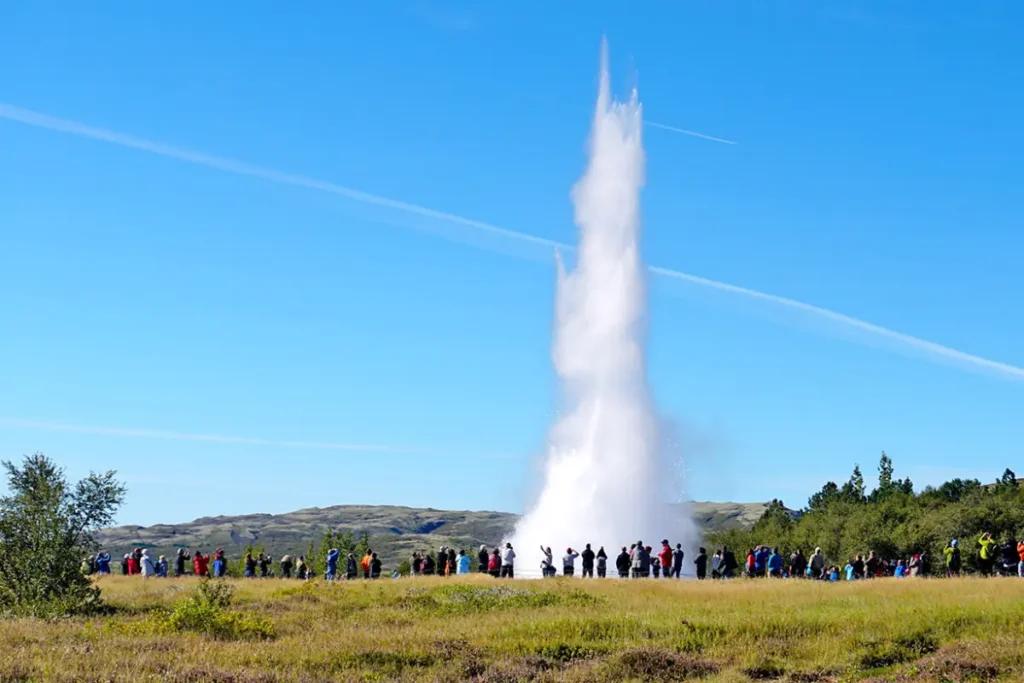
Best for:
| • first-time visitors |
| • easy driving |
| • long sightseeing days |
| • self-drive trips |
Our take
If you simply want the easiest possible Golden Circle experience, June and July are hard to beat.
The main downside is the number of visitors. During peak summer season, the most popular attractions can feel noticeably busier, especially around midday when both self-drive travelers and guided tours are on the route.
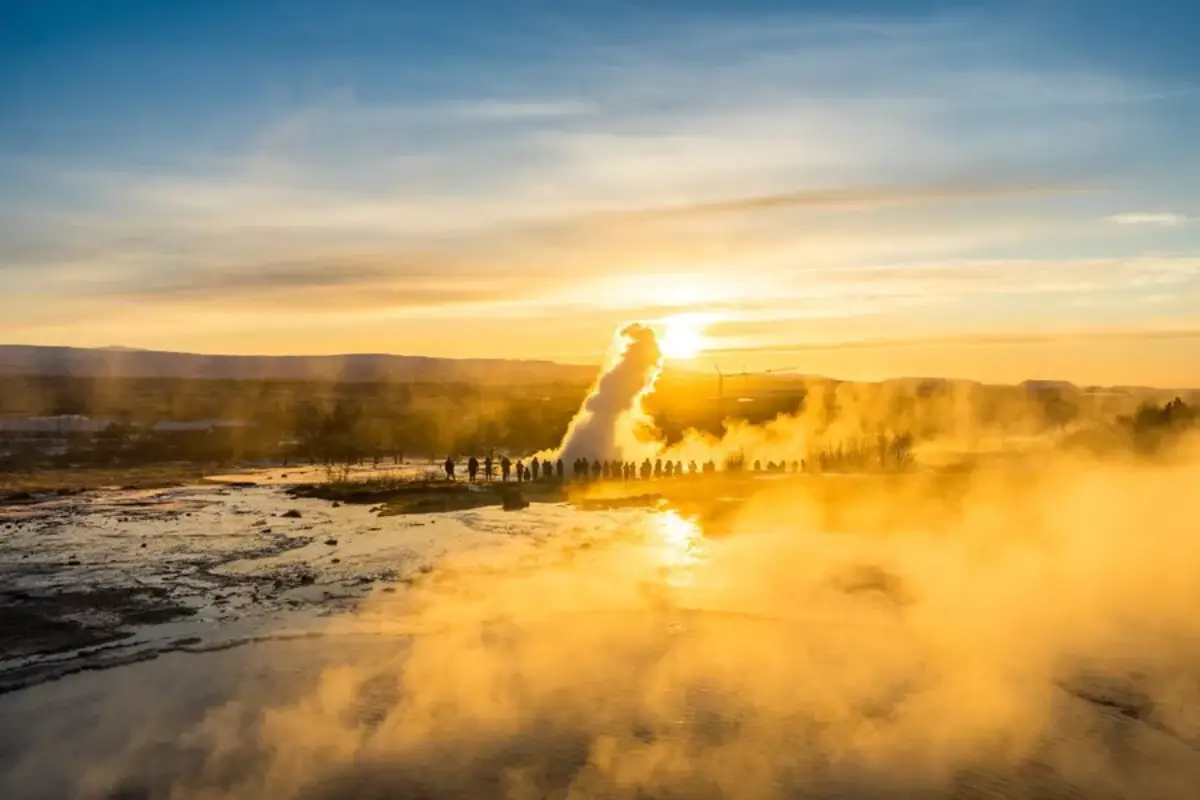
Golden Circle Afternoon Tour
Experience Þingvellir, Geysir and Gullfoss in the afternoon on an easy small group tour from Reykjavík.
Golden Circle Afternoon Tour
August – September: The Sweet Spot
| Average temperature: 8–11°C (46–52°F) |
| Daylight: 13–18 hours |
| Road conditions: Excellent to good |
| Visitors: Busy to moderate |
In our opinion, this window offers the best overall balance of the entire year.
Road conditions remain good, daylight is still generous, visitor numbers begin decreasing, and Northern Lights opportunities slowly return.
August remains firmly part of the summer season, while September starts introducing a quieter atmosphere across the route.
Tip: September is one of the first months where a full Golden Circle day can realistically be combined with Northern Lights hunting later the same evening.
Best for:
| • photography |
| • balanced conditions |
| • smaller crowds | • Northern Lights opportunities |
Our take
This is one of the most versatile periods of the year to visit the Golden Circle. Travel conditions are generally favorable, daylight remains generous, and the route often feels less crowded than it does in midsummer.
October: Autumn Atmosphere
| Average temperature: ~5°C (41°F) |
| Daylight: ~9 hours |
| Road conditions: Variable |
| Visitors: Moderate |
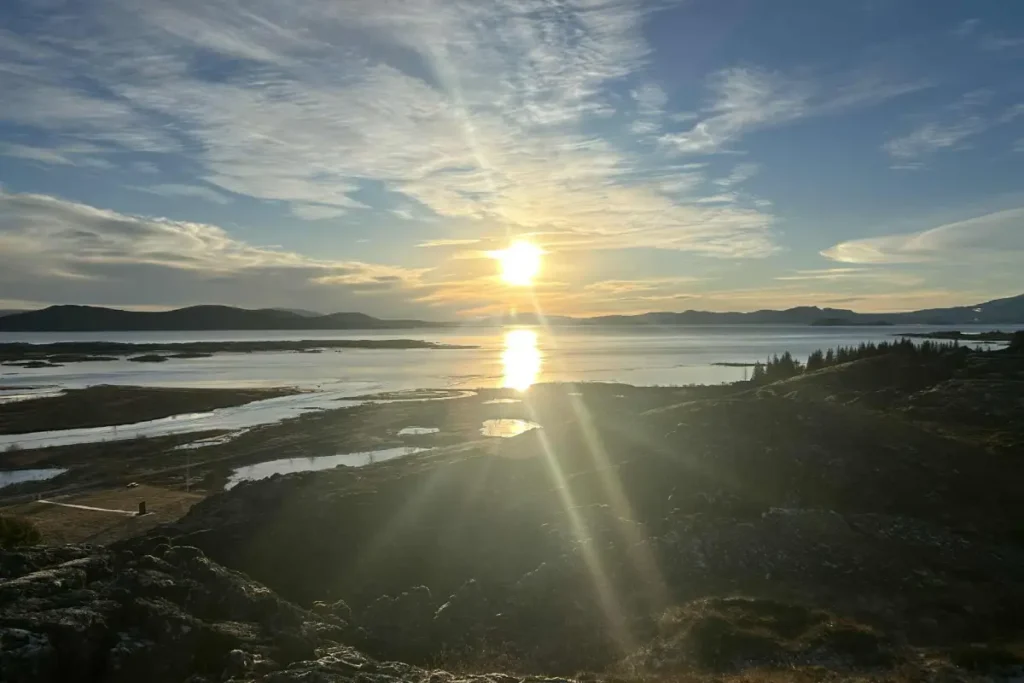
October tends to divide opinion more than any other month.
The weather becomes less predictable, daylight decreases noticeably, and occasional snowfall becomes possible later in the month.
At the same time, the route feels quieter and more atmospheric than during summer.
Best for:
| • autumn colors |
| • fewer visitors |
| • Northern Lights |
| • photography |
Our take
October often feels like Iceland beginning its transition back toward winter. Conditions become less predictable, but the atmosphere can be exceptional.
Golden Circle & Secret Lagoon
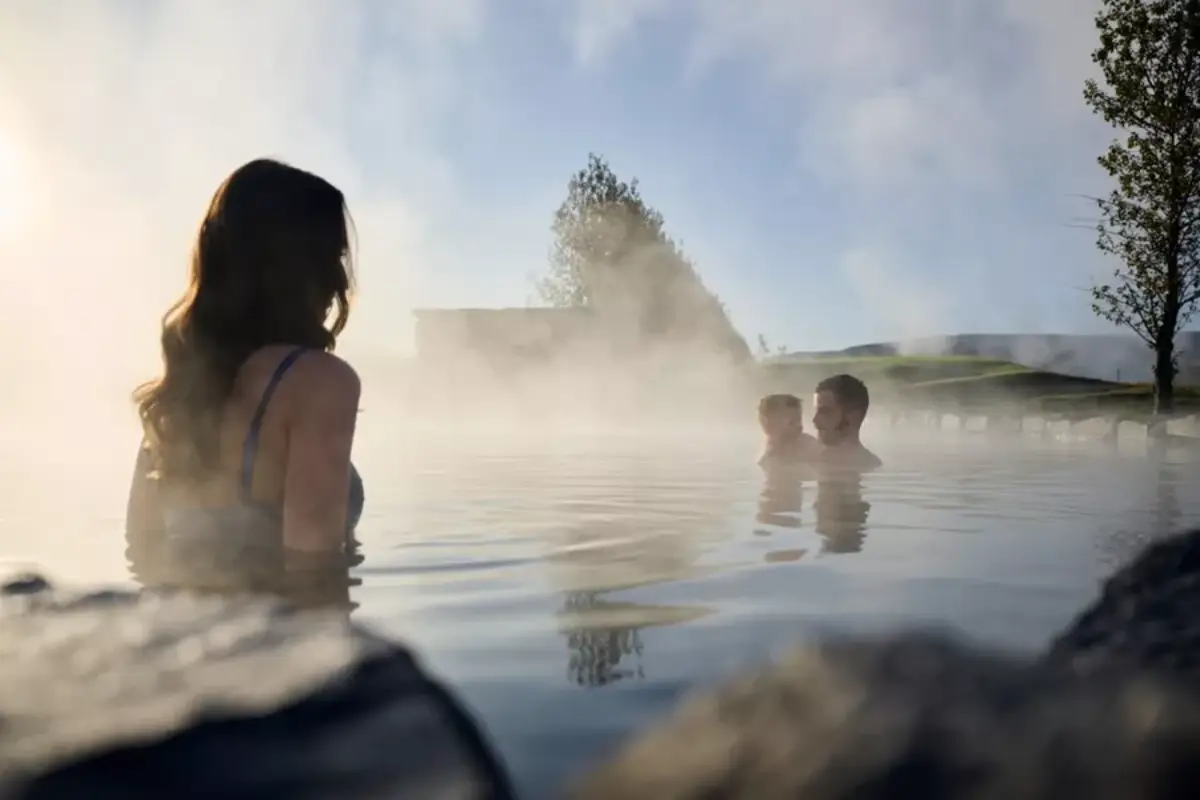
Visit Þingvellir, Geysir and Gullfoss, then relax in the natural geothermal waters of the Secret Lagoon.
Golden Circle & Secret Lagoon
November – December: Winter Returns
| Average temperature: 0–2°C (32–36°F) |
| Daylight: 5–6 hours |
| Road conditions: Challenging |
| Visitors: Quiet to moderate |
November and December mark the return of full winter conditions.
Roads can become icy, daylight is limited, and weather conditions may change quickly throughout the day.
December is one of Iceland’s darkest months, averaging only 5 hours of daylight, but it is also one of the most atmospheric. Snow-covered landscapes, festive holiday decorations, and excellent Northern Lights opportunities create a very different experience from summer.
| • excellent Northern Lights opportunities |
| • winter scenery |
| • seasonal atmosphere |
| • photography |
Our take
December is not the easiest month to visit, but for travelers specifically looking for a winter Iceland experience, it can be incredibly rewarding.
Golden Circle Travel Conditions Summary
Swipe to scroll table
Season | Driving | Daylight | Crowds | Experience |
|---|---|---|---|---|
| Winter | Difficult | Very short | Quiet | Snow, aurora |
| Spring | Variable | Increasing | Quiet | Transition |
| Summer | Easy | Very long | Busy | Best access |
| Autumn | Good → Variable | Decreasing | Moderate | Colors, aurora |
Golden Circle Private Tour
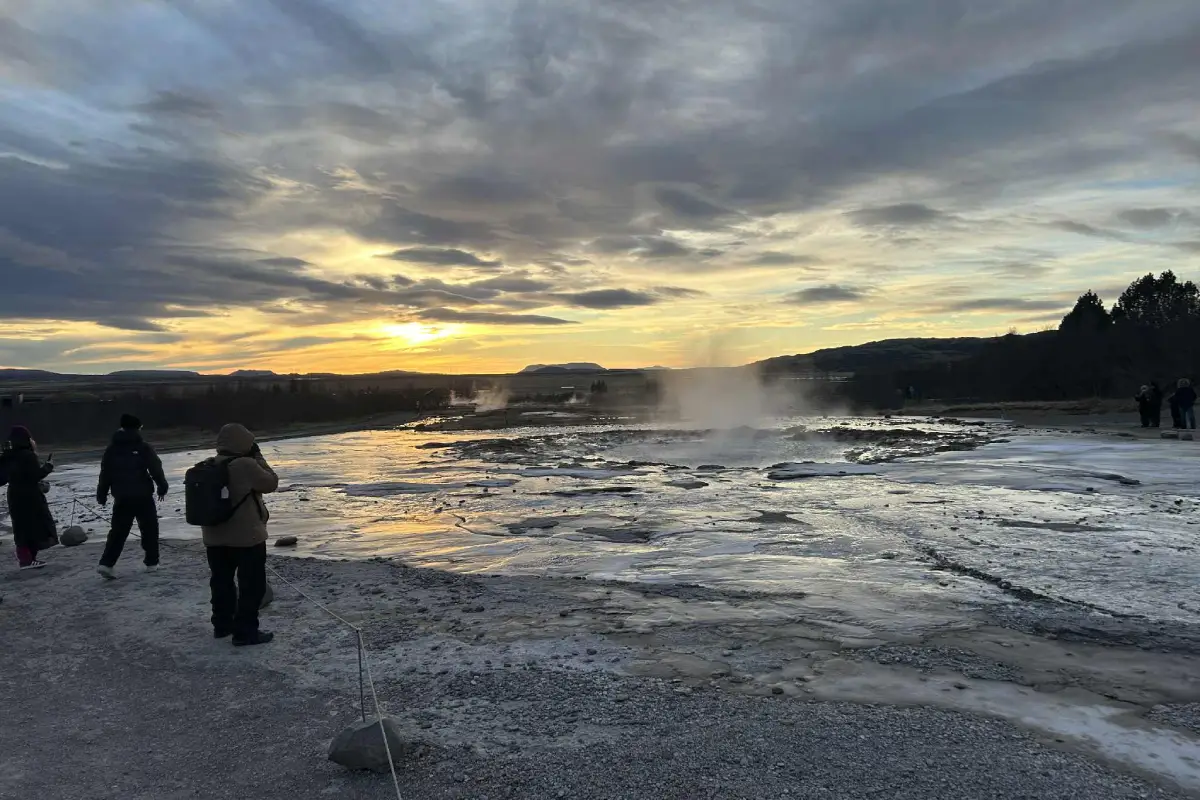
Explore Þingvellir, Geysir and Gullfoss on a private guided Golden Circle tour from Reykjavík.
Golden Circle Private Tour
Our Month-by-Month Picks
| Best for easy travel: → July |
| Best for fewer crowds: → May |
| Best Northern Lights: → January |
| Best overall balance: → September |
| Most underrated month: → April |
Road Conditions on the Golden Circle
The main Golden Circle route follows Routes 36 and 35
| • paved |
| • maintained year-round |
| • generally accessible in all seasons |
However, conditions vary significantly in winter:
| • snow and ice are common |
| • strong winds can affect driving |
| • visibility may change quickly |
Before driving, always check:
| • road.is (road conditions) |
| • vedur.is (weather forecast) |
| • safetravel.is (alerts and safety info) |
Self-drive by Seasons
Read More →Common Mistakes When Planning by Season
| • underestimating winter driving conditions |
| • visiting only during peak midday hours in summer |
| • not checking weather before departure |
| • assuming daylight hours matter less than they actually do |
Golden Circle Travel Conditions FAQ
Is the Golden Circle open year-round?
Yes. The main route is accessible throughout the year, though conditions vary by season.
Do you need a 4×4 in the winter?
Not always, but many travelers prefer one for additional confidence on snow and ice.
What is the best month to visit the Golden Circle?
June to August offer the easiest travel conditions, while May and September often provide a balance between favorable conditions and lower visitor numbers.
Can you see the Northern Lights on the Golden Circle?
Yes. The best opportunities are generally between September and March.
When are the roads easiest to drive?
Road conditions are usually most predictable between June and August, when snow and ice are not typically a factor.
What is the quietest time of year to visit?
January through April and November generally see fewer visitors than the peak summer months.
How much daylight is there in winter??
Daylight can be limited to around 5–7 hours during December and January, making early starts especially important.