
Golden Circle in Winter: Why It’s the Best Time to Visit

By Attila Balatoni
Local Travel Expert
Last updated: February 13, 2026
Intro
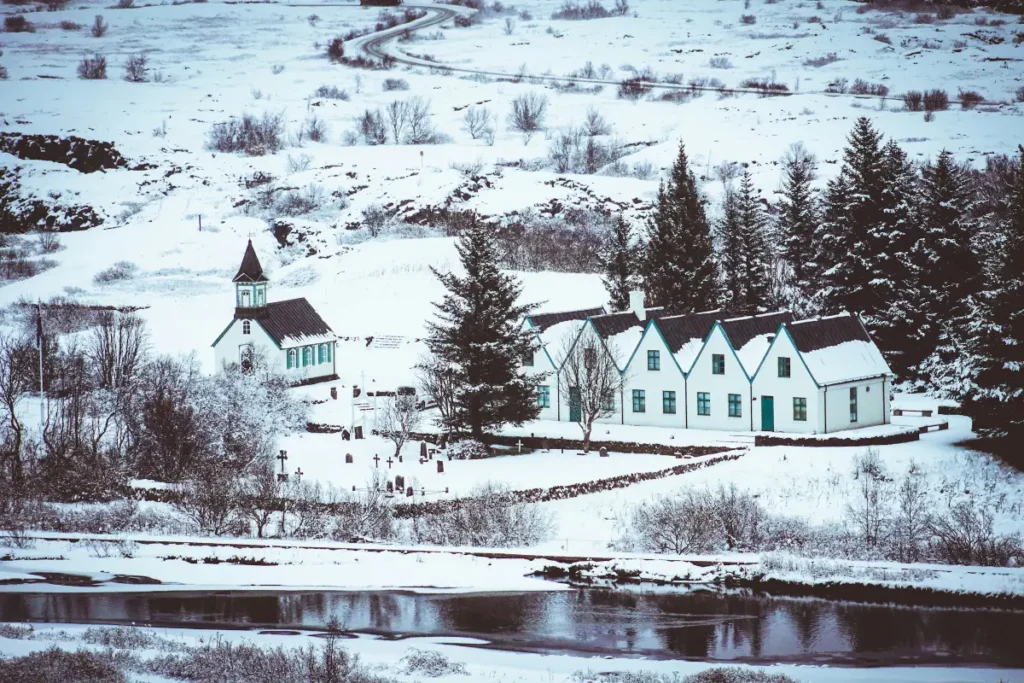
The Golden Circle is one of Iceland’s most popular travel routes, attracting visitors year-round to iconic sites such as Þingvellir National Park, the Geysir geothermal area, and Gullfoss waterfall. While summer brings long days and easy travel, winter offers a completely different setting, one that many travelers find even more memorable.
Winter transforms Iceland’s Golden Circle into a dramatically different landscape, with snow-covered lava fields, frozen waterfalls, and the possibility of seeing the Northern Lights above the region’s most famous landmarks. For those prepared for Iceland’s winter conditions, the colder months reveal a quieter and more atmospheric side of this famous route. Despite the colder weather, the Golden Circle remains accessible year-round and is one of the safest winter road trips from Reykjavík.
Overview: Golden Circle in Winter
| Winter overview |
| Best months: November – March |
| Daylight hours: 4–7 hours depending on the season |
| Driving time: about 3.5–4 hours |
| Typical visit: 6–8 hours including stops |
| Winter daylight hours |
| December: about 4–5 hours |
| January: about 5–6 hours |
| February: about 7–9 hours |
Winter temperatures often range between –5°C and 5°C (23–41°F), though wind and weather conditions can make it feel colder.
Why winter is the best time to visit the Golden Circle?
Fewer Crowds at Iceland’s Most Famous Attractions
The Golden Circle is one of Iceland’s busiest sightseeing routes during summer. Tour buses arrive throughout the day, and popular viewing areas can become crowded. Winter offers a quieter visit. While the main attractions are still visited year-round, the number of visitors is noticeably lower. This allows more time to explore places like Gullfoss or Þingvellir at a slower pace and enjoy the landscape without large crowds. Early mornings and late afternoons are often especially quiet during the winter months.
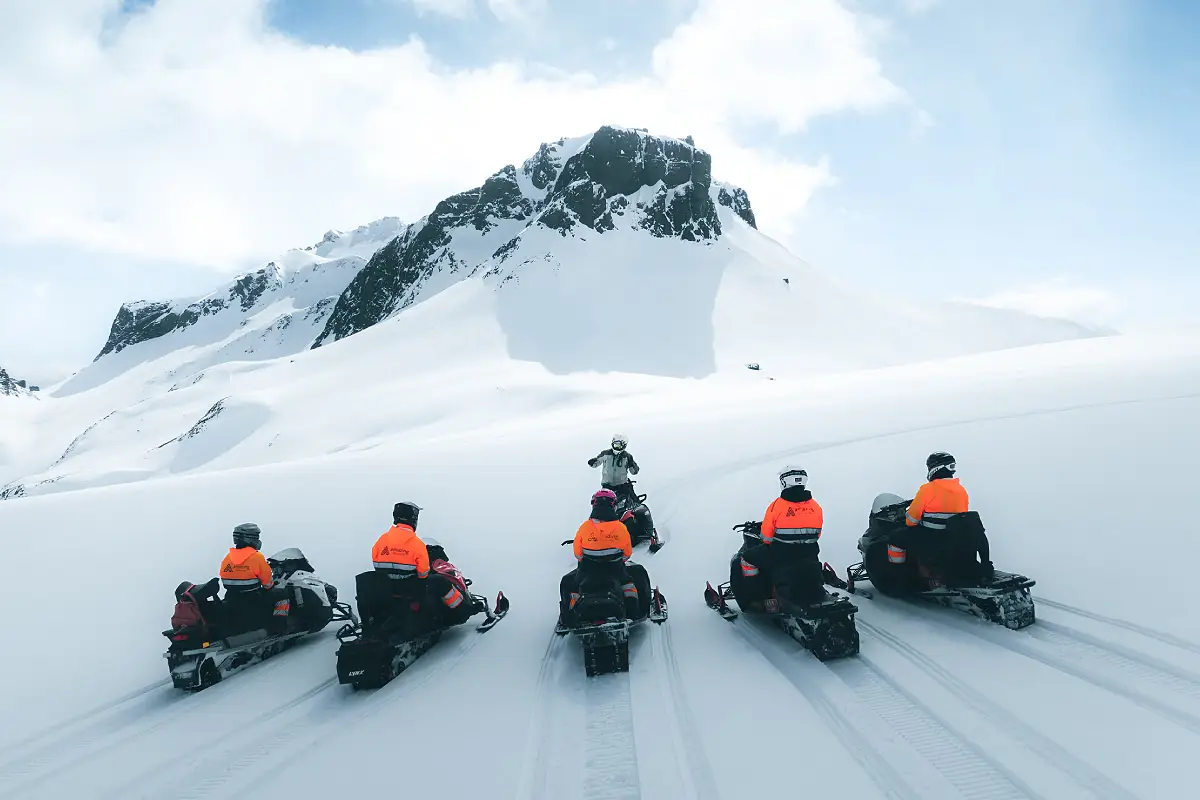
Golden Circle & Snowmobiling
Golden Circle Snowmobiling Tour combines Iceland’s most famous sights with an exciting glacier adventure as you explore Þingvellir, Geysir, Gullfoss, and ride across Langjökull glacier.
Golden Circle & Snowmobiling
Snow-Covered Landscapes Transform the Scenery
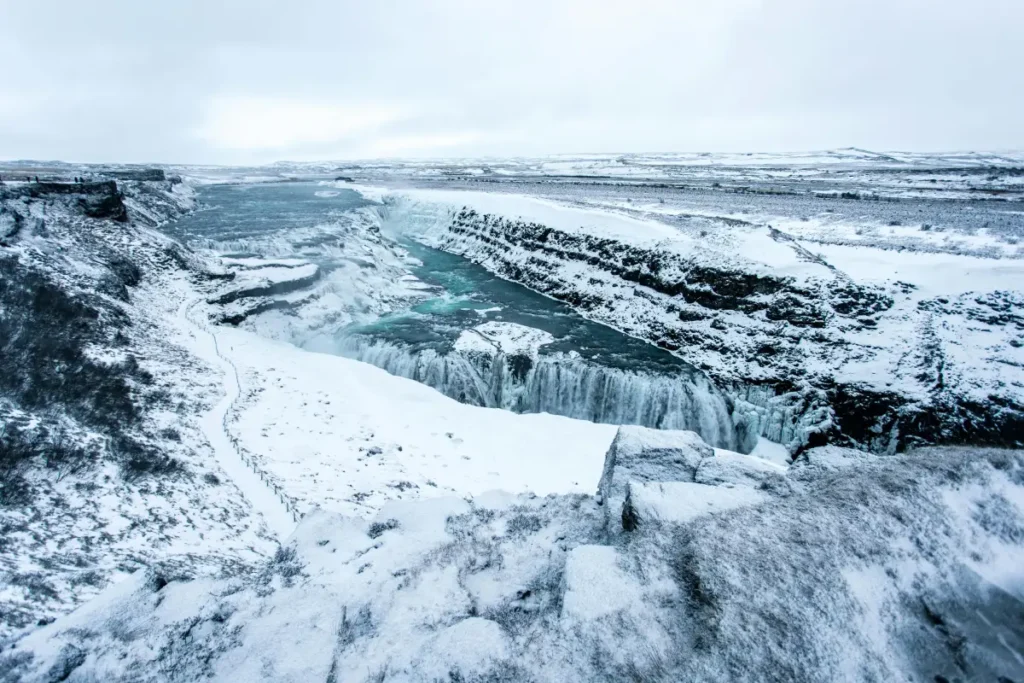
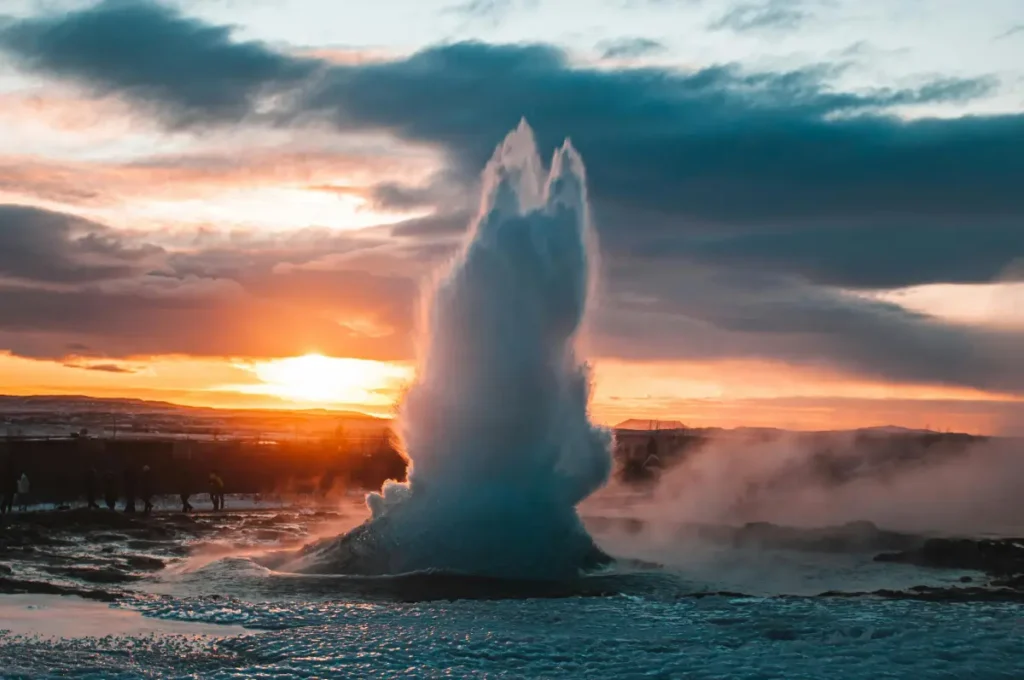
Winter dramatically changes the appearance of the Golden Circle. Lava fields, waterfalls, and valleys become blanketed in snow, creating a completely different atmosphere from the green landscapes of summer. At Gullfoss, ice formations often build along the canyon walls while mist from the waterfall freezes into delicate patterns. At Geysir, clouds of geothermal steam rise through the cold air, creating an almost surreal landscape. Meanwhile, Þingvellir’s rift valley becomes even more dramatic when covered in snow.
The Northern Lights Add a Unique Experience
One of the biggest advantages of visiting Iceland in winter is the opportunity to see the Northern Lights. Because the Golden Circle lies away from the bright lights of Reykjavík, several areas along the route provide good viewing conditions on clear nights. Places such as Þingvellir National Park and the countryside near Gullfoss offer wide open skies and minimal light pollution. Auroras are never guaranteed, but winter provides the long, dark nights needed to see them. When conditions are right, watching the Northern Lights above Iceland’s volcanic landscape can become one of the highlights of any trip.
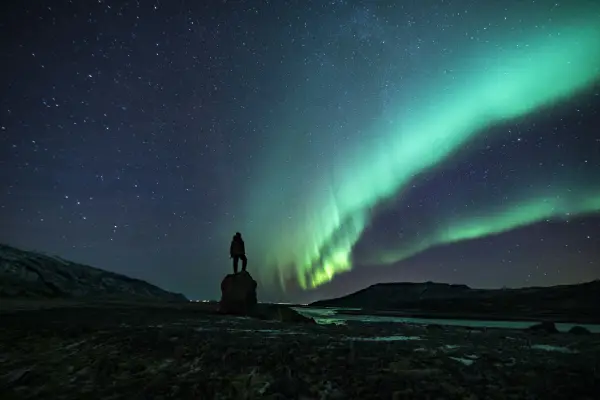
Golden Circle & Northern Lights
Two unforgettable Icelandic experiences in one day. Explore the Golden Circle by day, then head out at night in search of the Northern Lights.
Golden Circle & Northern Lights
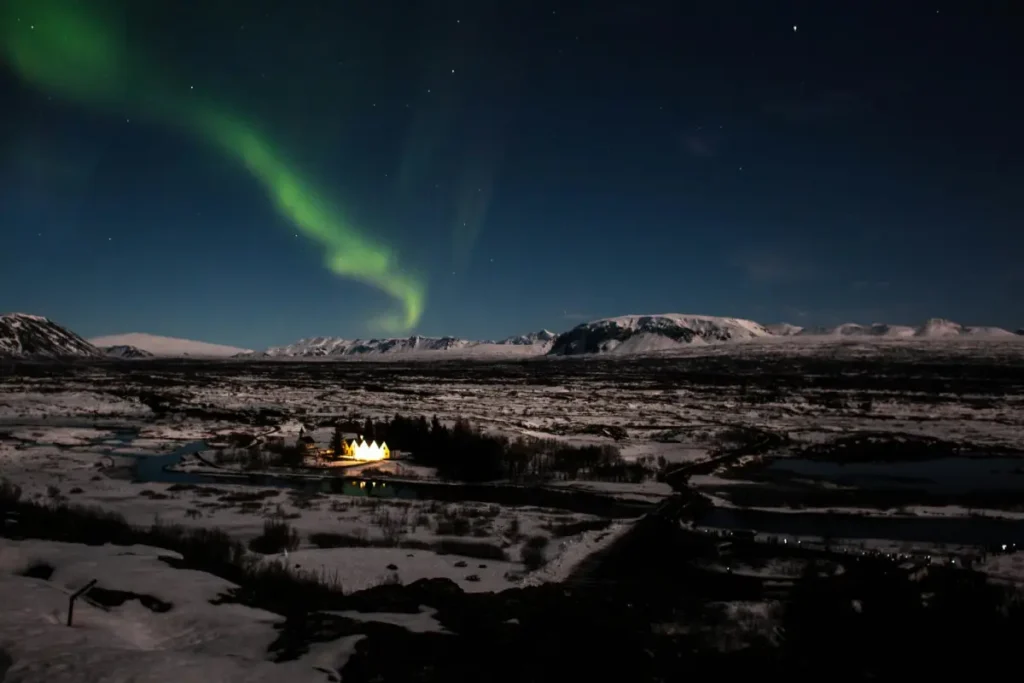
Winter Light Creates Photography Opportunities
Photographers often consider winter one of the best seasons to capture Iceland’s landscapes. During the colder months, the sun remains low on the horizon throughout the day. This produces soft, dramatic light that highlights textures in the landscape and creates long shadows across snow-covered valleys. Sunrise and sunset often blend into extended “golden hour” conditions, giving photographers more time to capture the scenery at its most atmospheric.
Frozen Waterfalls and Ice Formations
Winter also transforms Iceland’s waterfalls. At Gullfoss and other waterfalls along the Golden Circle, ice formations build along the canyon walls and surrounding cliffs. While the waterfalls continue to flow, the combination of moving water, frozen spray, and snow creates a striking contrast rarely seen during summer months. These icy details make winter visits visually unique and particularly memorable.
Practical Tips for Visiting the Golden Circle in Winter
Check weather and road conditions
Winter weather in Iceland can change quickly. Before setting out, check forecasts on vedur.is and road conditions on road.is or safetravel.is.
Driving Conditions
Expect icy roads and parking areas. Plan extra time for your journey during harsh winter conditions.
Plan around daylight
Daylight hours are short in winter. Starting early in the morning helps ensure enough time to explore the route safely. During December, daylight hours can be limited to 4 hours.
Dress in warm layers
Thermal base layers, waterproof outerwear, gloves, hats, and sturdy boots are essential for staying comfortable outdoors.
Consider guided tours
For travelers unfamiliar with winter driving conditions, guided tours offer a stress-free way to explore the Golden Circle while someone else handles the logistics.
Why the Golden Circle Feels Different in Winter
Visiting the Golden Circle in winter offers a quieter, more atmospheric experience than the busy summer months. Snow transforms the landscape, the winter sun creates dramatic lighting, and long nights open the possibility of seeing the Northern Lights.
While the colder season requires a bit more planning, the rewards can be unforgettable. For many travelers, winter reveals a side of the Golden Circle that feels more peaceful, more dramatic, and ultimately more distinctive than any other time of year.
Best Places to See the Northern Lights on the Golden Circle
Read More →Golden Circle Winter FAQ
Is winter a good time to visit the Golden Circle?
Yes. Winter offers fewer crowds, dramatic snow-covered landscapes, and the possibility of seeing the Northern Lights.
Is it safe to drive the Golden Circle in winter?
Yes, the main roads are usually well maintained. However, winter weather can change quickly, so checking road conditions before driving is essential.
How long does it take to visit the Golden Circle in winter?
Most travelers spend 6–8 hours exploring the Golden Circle, including stops at Þingvellir, Geysir, and Gullfoss.
Can you see the Northern Lights on the Golden Circle?
Yes. Areas along the route often have low light pollution, making them good locations for viewing the aurora on clear winter nights.