
Sustainable Travel on the Golden Circle: Tips for responsible visitors

By Attila Balatoni
Local Travel Expert
Last updated: March 17, 2026
Intro
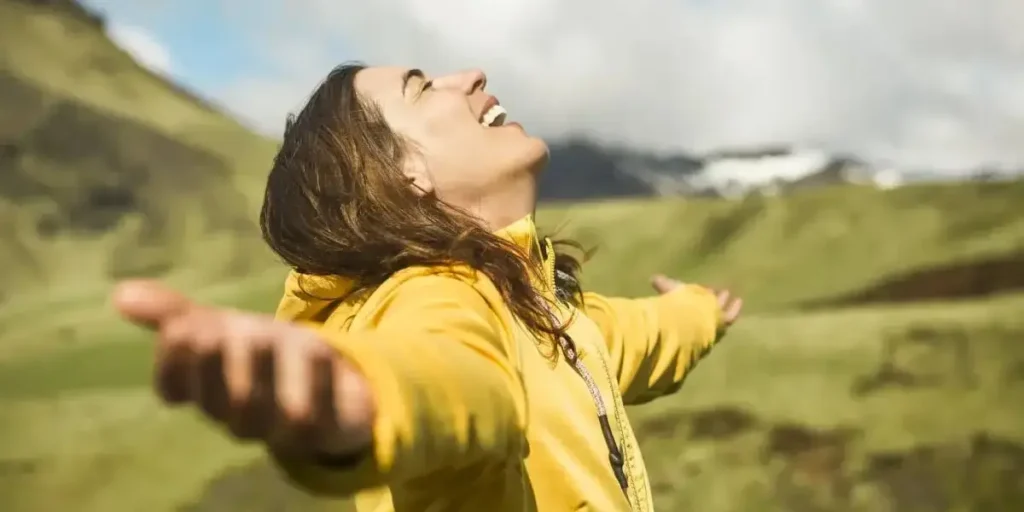
Tourism has helped make the Golden Circle Iceland’s most visited sightseeing route, bringing more than a million visitors each year to locations such as Þingvellir National Park, the Geysir geothermal area, and Gullfoss waterfall.
Increased visitor numbers also place greater pressure on trails, vegetation, parking areas, and other infrastructure throughout the region. Although the Golden Circle is well equipped to receive visitors, responsible travel remains important for protecting both the landscape and the visitor experience.
This guide explores simple ways to travel more sustainably on the Golden Circle, from respecting marked paths and reducing waste to supporting local businesses and making thoughtful transportation choices.
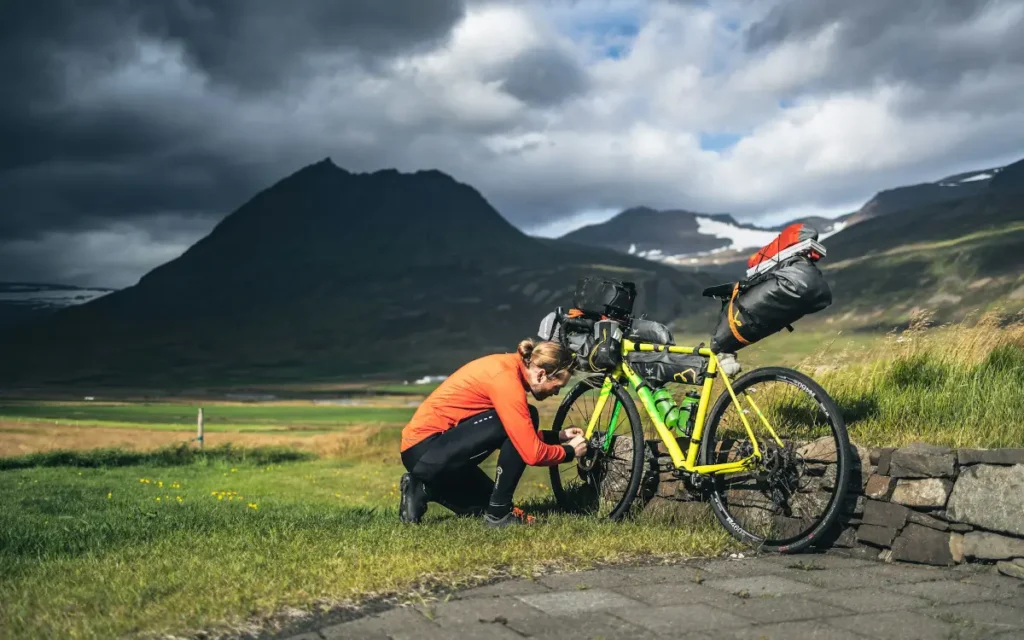
Overview: Sustainable Travel on the Golden Circle
| Stay on marked trails |
| Respect fragile moss landscapes |
| Choose low-impact transportation |
| Support local farms and restaurants |
| Reduce waste during your trip |
| Carry a reusable water bottle |
| Travel outside peak hours |
| Avoid driving off-road (illegal in Iceland) |
Managing Tourism Pressure on the Golden Circle
The Golden Circle’s popularity means that some locations experience heavy visitor traffic, particularly during the summer. Large crowds can put pressure on fragile vegetation, trails, and parking areas.
Timing your visit can help reduce pressure on the busiest locations:
| Start your trip early in the morning |
| Visit popular sites later in the day when tour buses leave |
| Consider visiting during shoulder seasons like spring or autumn |
Popular attractions are often quieter outside peak hours, benefiting both visitors and the sites themselves.
Protect Iceland’s Fragile Moss and Landscapes
Iceland’s volcanic moss is among the country’s most fragile natural features. Found across lava fields throughout the country, including areas near the Golden Circle, it can take decades or even centuries to recover if damaged.
Even a single footprint can destroy moss that has taken many years to grow.
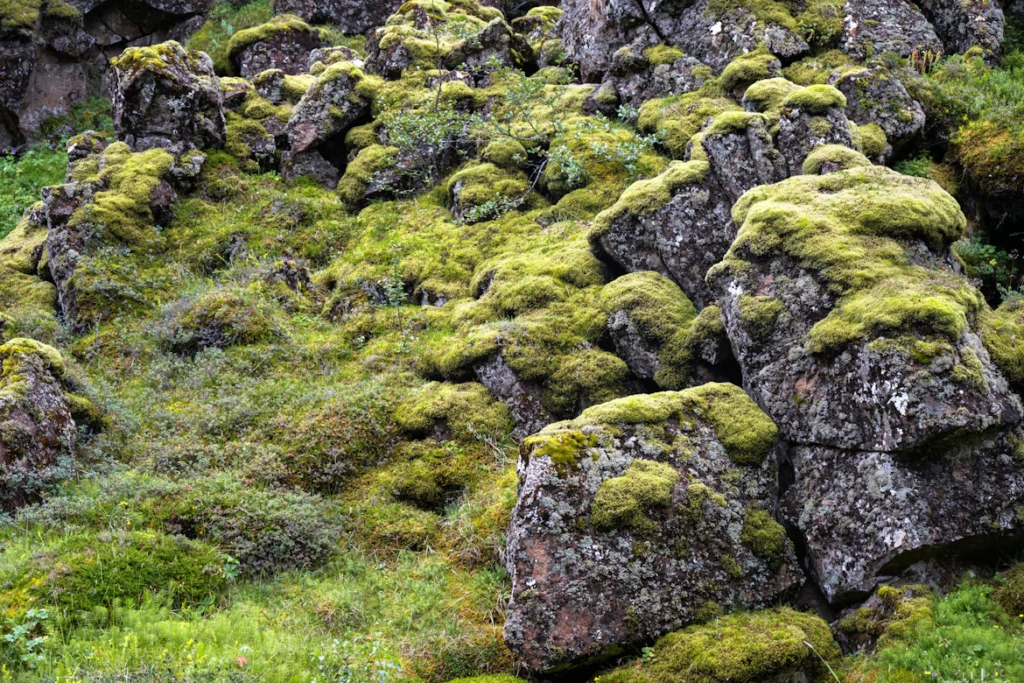
Staying on designated paths, boardwalks, and viewing areas is therefore essential at locations such as Þingvellir National Park and Gullfoss. These routes are designed to protect fragile vegetation while still allowing visitors to experience the landscape safely.
Following marked paths is one of the simplest ways to help preserve Iceland’s natural environment.
Why Off-Road Driving Is Strictly Forbidden in Iceland
Off-road driving can destroy delicate vegetation, accelerate soil erosion, and permanently scar the landscape.
Strict penalties are in place to protect these environments, and visitors should remain on marked roads, tracks, and designated parking areas at all times.
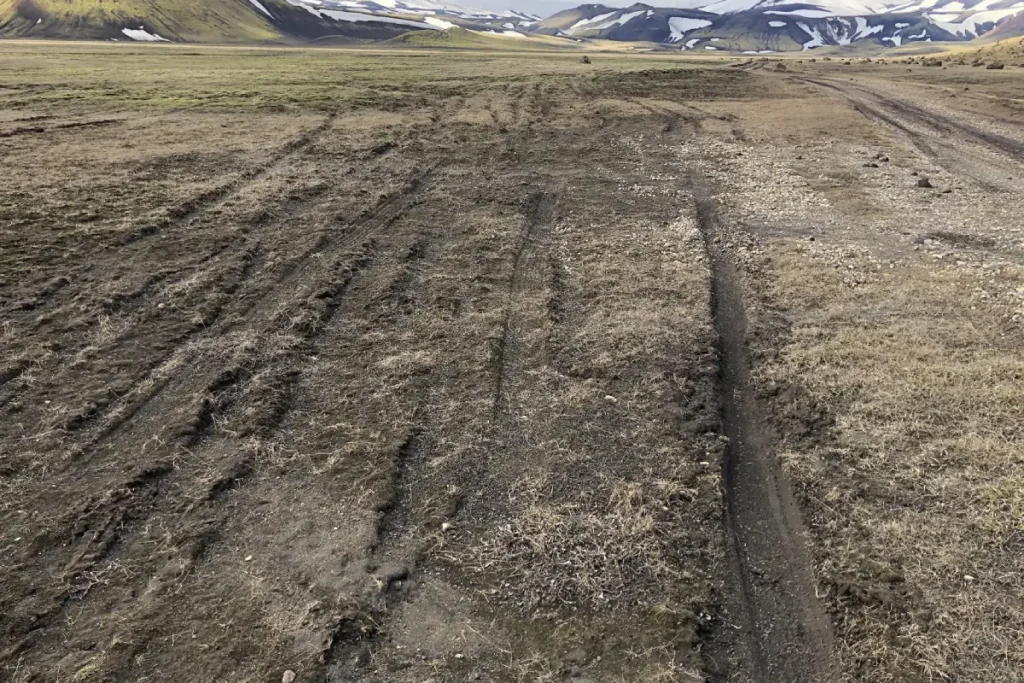
Travelers exploring the Golden Circle should always remain on paved roads and designated parking areas. Even stopping briefly on soft ground or moss can cause long-lasting damage.
By following these rules, visitors help protect Iceland’s landscapes and preserve them for future generations.
Tip: Think twice before driving off-road. High fines can be imposed for off-road driving, and damage to moss and fragile landscapes may remain visible for decades.
Choose Low-Impact Transportation
Transportation is one of the largest contributors to tourism-related emissions. Several options can help reduce the environmental impact of travel on the Golden Circle.
Electric and Hybrid Rental Cars
Iceland’s expanding network of EV charging stations has made electric and hybrid rental cars an increasingly practical option for exploring the Golden Circle.
Small-Group Tours
Small-group tours can reduce the number of vehicles visiting popular attractions while still providing access to the main sites along the route.
Carpooling
Traveling with friends or sharing a rental vehicle is another simple way to reduce the environmental impact of transportation. Fewer vehicles on the road also help reduce congestion at parking areas and popular attractions.
Travel Sustainably on the Golden Circle
Support Local Food and Sustainable Businesses
Supporting local businesses is one of the best ways to travel sustainably in Iceland. Many restaurants and farms along the Golden Circle focus on locally sourced ingredients and environmentally responsible practices.
Examples include:
| Friðheimar Tomato Farm: greenhouse restaurant where tomatoes are grown year-round using geothermal heat and artificial lighting. |
| Efstidalur Farm: working dairy farm where visitors can enjoy locally produced ice cream and farm-to-table meals. |
| Farmer’s Bistro: mushroom farm restaurant in Flúðir where dishes feature mushrooms grown on-site at the Flúðasveppir farm. |
| Laugarvatn Fontana: known for its traditional geothermal rye bread baking tour. |
Supporting local businesses is one of the simplest ways to contribute positively to the communities along the Golden Circle. Many restaurants, farms, and food producers work closely with local ingredients and Icelandic agricultural traditions.
Choosing local food and products helps support businesses and producers that are directly connected to the region. It is also a meaningful way to experience a side of the Golden Circle that extends beyond its main attractions.
You can find more recommendations in our guide → The Best Places to Eat on the Golden Circle, which highlights farm restaurants, cafés, and local dining experiences along the route.
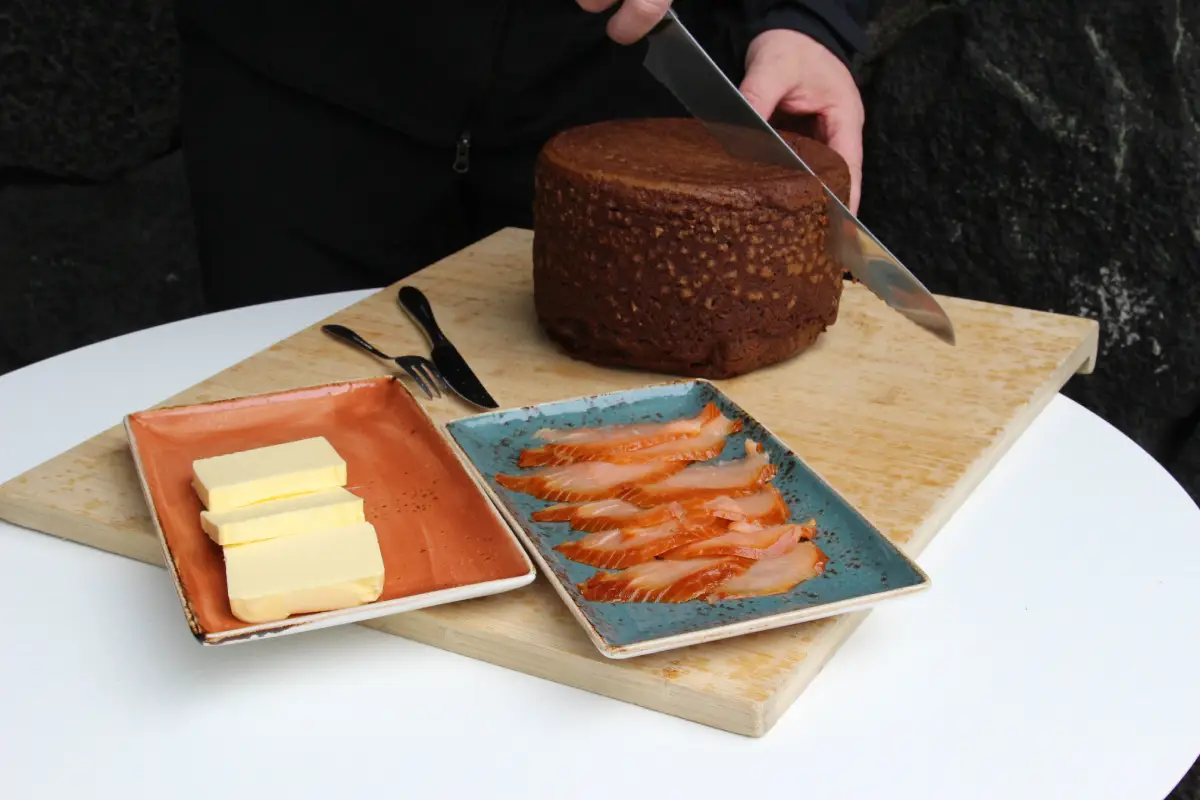
Golden Circle Food Experience
Discover the Golden Circle through Icelandic food, local farms, geothermal bathing and a 5-course meal at Ylja Restaurant.
Golden Circle Food Experience
Reduce Waste While Traveling
Reducing waste is one of the simplest ways to travel more sustainably. Small changes in daily habits can reduce the amount of disposable packaging and single-use items used during a trip.
| Bring a reusable water bottle (Icelandic tap water is excellent) |
| Carry reusable shopping bags |
| Avoid single-use plastics when possible |
| Pack snacks in reusable containers |
Tip: Refill instead of buying bottled water. Icelandic tap water is among the cleanest in the world, making reusable bottles an easy alternative to single-use plastics.
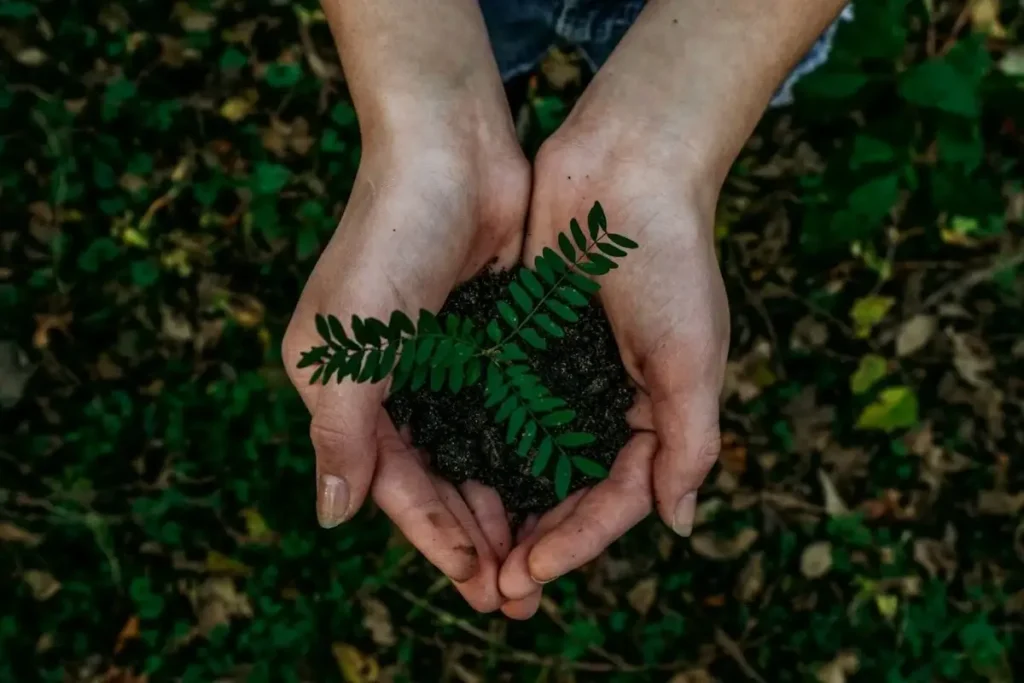
Reusable bottles and shopping bags are easy to use throughout Iceland and help reduce unnecessary waste during travel.
Respect Wildlife and Natural Areas
Respecting wildlife and natural habitats is an important part of responsible travel in Iceland.
When visiting natural areas along the Golden Circle:
| Keep a respectful distance from birds and wildlife |
| Never feed wild animals |
| Follow posted guidelines at parks and geothermal areas |
| Stay on marked trails |
During nesting season, birds such as Arctic terns may defend their nesting areas and should be given plenty of space.
Learn About Iceland’s Renewable Energy
Renewable energy plays a central role in daily life in Iceland. Much of the country’s electricity and heating comes from geothermal and hydroelectric power.
The Golden Circle offers several visible examples of geothermal energy use throughout the country. Geothermal energy is used to heat homes, greenhouses, hotels, and bathing facilities across the region.
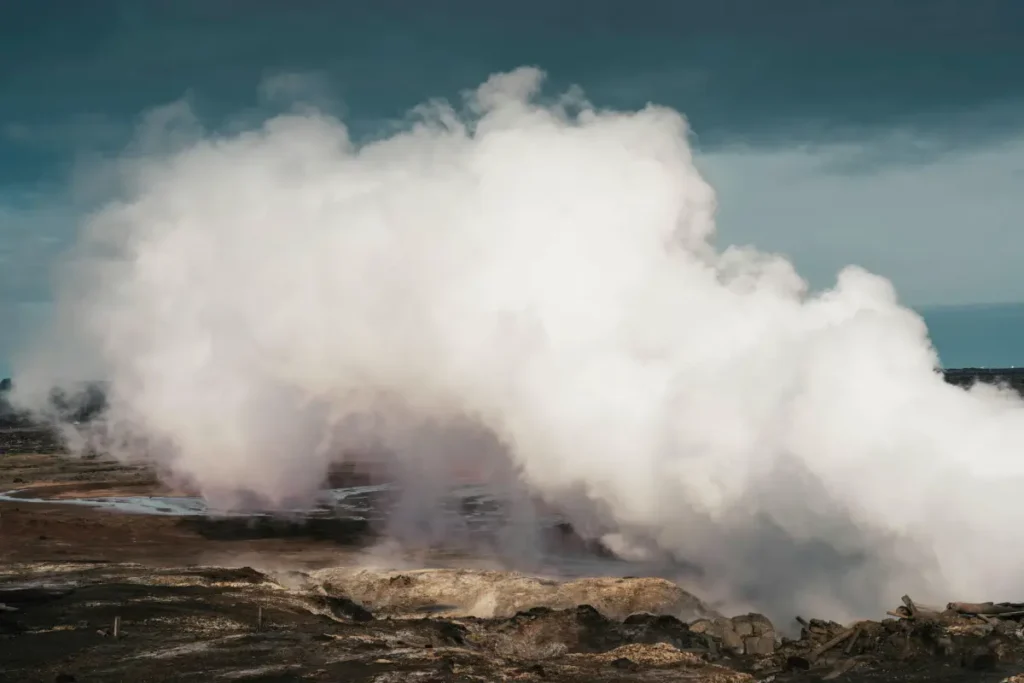
Greenhouses such as Friðheimar use geothermal heat to grow vegetables year-round, offering a practical example of how geothermal energy supports agriculture in Iceland.
Seeing these systems first-hand highlights how closely geothermal energy is woven into everyday life in Iceland.
Sustainable Travel for a Better Golden Circle Experience
Sustainable travel on the Golden Circle is more about small decisions than major changes. Staying on marked trails, supporting local businesses, reducing waste, and respecting natural areas all help reduce pressure on the places people come to see.
Individually, these actions may seem minor. Together, they play an important role in protecting the landscapes and communities that make the Golden Circle special.
Golden Circle Step-by-Step Itinerary
Read More →Golden Circle Sustainability FAQ
Is the Golden Circle environmentally sensitive?
Yes. The Golden Circle includes fragile environments such as moss-covered lava fields, geothermal areas, and sensitive vegetation that can take many years to recover from damage.
Why is it important to stay on marked trails in Iceland?
Much of Iceland’s vegetation, especially moss, grows extremely slowly and can take decades to recover if damaged. Walking off trails can permanently harm these fragile ecosystems.
Is off-road driving allowed in Iceland?
No. Off-road driving is illegal in Iceland because it can cause severe and long-lasting damage to the landscape. Visitors should always remain on marked roads and designated parking areas.
How can travelers reduce their environmental impact on the Golden Circle?
Travelers can reduce their impact by:
• staying on marked paths
• reducing waste and using reusable items
• supporting local restaurants and farms
• choosing low-impact transportation such as electric vehicles
• respecting wildlife and natural habitats
Are there local farms and food producers along the Golden Circle?
Yes. Several stops along the route emphasize local and sustainable food production, including places like the Friðheimar greenhouse restaurant and Efstidalur dairy farm and Farmer’s Bistro.